
Uncategorized
How to Germinate Cactus Seeds Indoors in Canada: A Practical Collector’s Guide
Oct
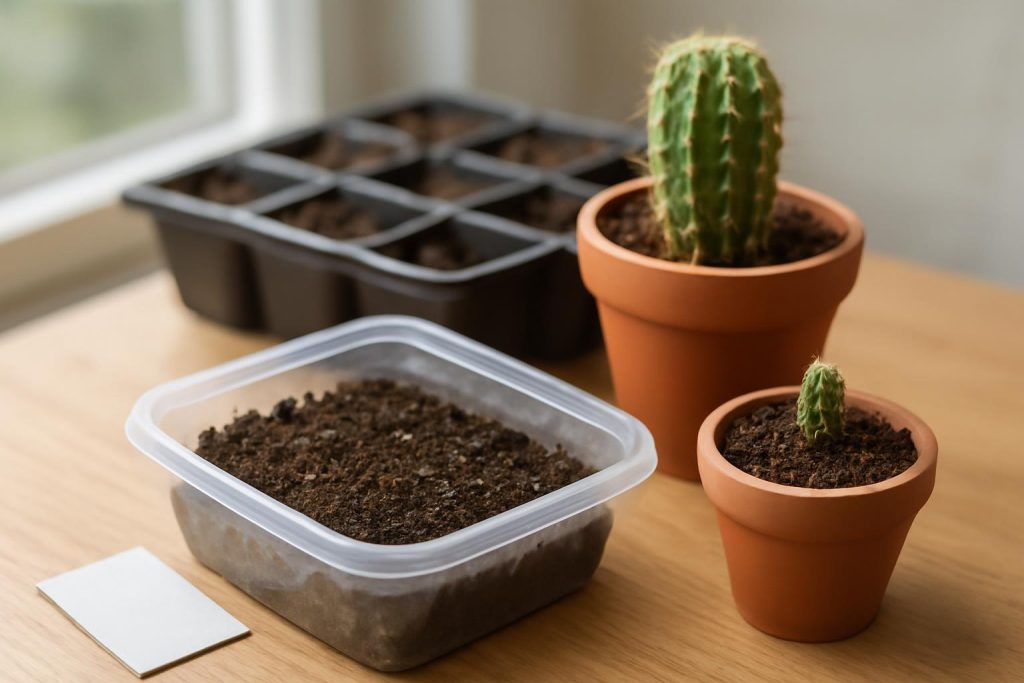
Growing cactus from seed is one of the most rewarding ways to build a collection. A packet of seeds can produce plants with distinctive forms, spines, flowers, and growth habits that are difficult to find as mature specimens. It is also an excellent choice for Canadian growers, because germination can take place indoors at any time of year with the right equipment.
This is an evergreen growing guide rather than a claim about what is currently trending. Whether you are starting Astrophytum, Ariocarpus, Mammillaria, Epithelantha, or another cactus genus, the same basic principles apply: use a clean growing medium, provide steady warmth and light, maintain controlled humidity, and make changes gradually.
Why grow cactus from seed?
Seed-grown cacti offer several advantages for beginners and experienced collectors alike. You can explore species that are rarely available as large plants, grow a group of seedlings from the same seed lot, and observe every stage of development. For slow-growing genera, the process also creates a deeper connection with the plant and its natural life cycle.
Starting from seed can be especially useful when shopping for unusual or collector cactus varieties. Some species are offered primarily as seed because mature plants take many years to reach a desirable size. Growing from seed may also help reduce pressure on wild populations when the seed has been responsibly produced and legally obtained.
Before ordering, consider browsing the Cacti Kingdom collection to compare live cacti, succulents, and seed-growing options. Choose species that match the amount of light, warmth, space, and patience you can provide.
What you need before sowing cactus seeds
Successful germination begins with preparation. Cactus seeds are small, and their first roots and stems are fragile. Having everything ready before opening the packet makes it easier to maintain clean and stable conditions.
Essential supplies
- Fresh cactus seeds from a clearly labelled source
- Small seed trays, shallow pots, or clean plastic containers with lids
- A fine, fast-draining growing medium
- Clean water, preferably distilled, filtered, or boiled and cooled
- A transparent cover, humidity dome, or clear plastic bag
- A bright grow light or a bright, indirect windowsill
- A thermometer and, ideally, a timer for the grow light
- Fine gravel, pumice, or another mineral top dressing
A purpose-made cactus seed germination kit can simplify the process, especially for first-time growers. If you are assembling your own setup, use containers that are clean and shallow rather than deep. Deep pots hold moisture for longer and make it more difficult to judge the moisture level around the seeds.
Choosing a cactus seed growing medium
The best medium for germinating cactus seeds holds enough moisture to support young roots but drains quickly enough to limit fungal problems. A common approach is to combine a quality seed-starting medium with mineral material such as pumice, perlite, or coarse sand. The result should be open, fine-textured, and free of large wood pieces or uncomposted debris.
Many growers sterilize the medium before sowing. This can be done by moistening it and heating it carefully, but follow safe procedures and allow the material to cool completely before use. Sterilization is not a guarantee against problems, but it may reduce the number of weed seeds and pathogens in the container.
Do not add rich fertilizer at the germination stage. Cactus seeds contain enough stored energy to begin development, while concentrated fertilizer can damage delicate roots. Nutrition becomes more useful after seedlings have established and are actively growing.
Step-by-step: how to germinate cactus seeds indoors in Canada
1. Clean the containers and tools
Wash containers, lids, labels, and tools with hot soapy water. Rinse them well and allow them to dry. If you reuse pots or trays, disinfect them before sowing. Good hygiene is particularly important when seedlings will remain in a humid, enclosed environment for several weeks.
2. Prepare and moisten the medium
Fill the container with the prepared medium, leaving a small amount of space below the rim. Moisten it from below by placing the container in a shallow tray of water. Remove it when the surface feels evenly damp, then allow excess water to drain.
Bottom-watering helps prevent the fine particles of the medium from shifting and creates a more even moisture level. The medium should be damp, not saturated or muddy.
3. Distribute the seeds on the surface
Most cactus seeds should be placed on the surface rather than buried deeply. Light can help some species germinate, and a seed that is covered too heavily may not have enough energy to reach the surface. Use a folded piece of paper, a clean toothpick, or fine tweezers to distribute the seeds evenly.
Leave enough space between seeds to reduce competition and improve airflow. If you are sowing multiple species in one container, use separate sections and label each one with the botanical name and sowing date. Lost labels are frustrating, especially when seedlings look similar during their early development.
4. Add a very light mineral covering
Some growers leave the seeds completely exposed, while others add a thin layer of fine grit or washed sand. If you use a covering, keep it extremely light. The purpose is to help hold seeds in place and reduce algae on the surface, not to bury them.
5. Enclose the container
Place the clear lid or humidity cover over the container. High humidity helps prevent tiny seeds from drying out before they can germinate. The container should remain bright but protected from intense direct sun, which can cause the temperature inside to rise quickly.
Open the cover briefly if excessive condensation collects or if the surface remains waterlogged. Humidity is helpful, but stagnant air and constant saturation can encourage mold.
6. Provide steady warmth and light
Most common cactus seeds germinate best in warm, stable conditions. A general indoor range of approximately 20–28°C is suitable for many types, although individual species can vary. Avoid placing the container directly against a cold window at night or beside a radiator, heat vent, or wood stove.
In Canada, natural daylight may be weak during autumn and winter. A grow light provides more consistent results and helps seedlings develop compact growth. Keep the light close enough to be effective without generating excessive heat, and use a timer to provide a regular day-and-night cycle.
Do not place a covered seed tray in harsh afternoon sun. The clear lid can act like a miniature greenhouse and raise temperatures beyond safe levels in a short time.
How long do cactus seeds take to germinate?
Germination time varies by species, seed freshness, temperature, and moisture. Some cactus seeds may sprout within several days, while others take a few weeks. Slow-growing or more specialized genera can be less predictable and may require patience.
Do not discard a container simply because nothing appears after one week. Continue checking for changes in colour, swelling, or tiny green bodies. At the same time, avoid repeatedly disturbing the medium. Cactus roots are easily damaged when seeds are moved or pressed into the soil after sowing.
If there is no germination after a reasonable period, review the conditions before trying to add more water or heat. Excess moisture, old seed, insufficient warmth, poor light, and overly deep sowing are common causes of disappointing results.
Seedling care after germination
Once seedlings appear, continue providing bright light and steady moisture. The first bodies may be round, green, and surprisingly small. They are not ready for the dry treatment used by mature cacti.
Maintain moisture carefully
Keep the medium lightly and evenly moist while seedlings are very young. Allowing them to dry completely can cause losses, but keeping the container flooded can lead to rot or fungal growth. Water from below when possible, and use a small amount of clean water rather than pouring heavily over the seedlings.
Increase ventilation gradually
After several weeks of growth, begin opening the lid for short periods. Increase ventilation gradually over time. Removing the cover suddenly can cause delicate seedlings to dry or collapse, particularly if the room has low winter humidity.
When seedlings have developed stronger bodies and visible roots, they can be acclimated to less humid conditions. The exact timing depends on the genus and the growing environment, so observe the plants rather than following a rigid calendar.
Protect seedlings from excessive light
Young cactus seedlings need light, but they are more sensitive than established plants. Pale, stretched growth usually indicates insufficient light, while bleached patches or reddish stress coloration may indicate too much intensity or heat. Adjust the height and duration of the grow light gradually.
Begin feeding sparingly
Once seedlings are actively growing, a very dilute, balanced fertilizer may be used occasionally. Use less than the label’s standard houseplant rate and avoid fertilizing dry roots. A weak feeding during the growing season is safer than frequent heavy applications.
When should cactus seedlings be transplanted?
There is no single correct transplanting date. Some growers keep seedlings in a communal container for many months, while others separate them once they are large enough to handle. Waiting until the seedlings have a visible root system and a firm body generally makes the process safer.
Use a small pot with a drainage hole and a suitable mineral-rich cactus mix. Lift seedlings carefully with a label, spoon, or blunt tool rather than pulling on the body. After transplanting, give the roots time to settle before returning to a normal watering routine.
Do not move newly germinated seedlings into a large pot. A small container dries more evenly and reduces the risk of prolonged wetness around the roots.
Common cactus seed germination problems
Mold or algae on the surface
Surface growth often results from excessive moisture, poor airflow, contaminated materials, or weak light. Increase ventilation, remove visibly affected debris with a clean tool, and avoid keeping the medium constantly saturated.
Seedlings collapse at the base
This may indicate damping off, which is associated with pathogens and overly wet conditions. Remove affected seedlings promptly and improve airflow. Clean containers and fresh medium are important preventative measures for the next sowing.
Seeds swell but do not sprout
Swelling shows that the seed has absorbed water, but germination may still be limited by temperature, light, seed age, or species-specific requirements. Maintain stable conditions and allow more time before making major changes.
Seedlings become long and pale
This is usually a sign of insufficient light. Move the light closer according to its instructions or increase the lighting period gradually. Avoid correcting the problem with sudden, intense sunlight.
Choosing seeds for a Canadian indoor collection
Beginners often have the best experience starting with species known to germinate reliably under ordinary indoor conditions. Mammillaria, some Astrophytum, and several other compact cacti can be approachable choices, while Ariocarpus and other slow-growing collector genera may require more patience and careful long-term care.
Consider growing a mixture of familiar and unusual species. A beginner-friendly variety can help you learn the process, while a slower-growing collector cactus adds a longer-term project. You can also explore available cactus and succulent seed listings before deciding which growing conditions you can realistically provide.
If you are planning a broader propagation project, review the site’s cactus and succulent growing categories for possible supplies and seed groups. Always check product descriptions, regional shipping information, and any applicable Canadian import or plant-health requirements before ordering.
Frequently asked questions
Can I germinate cactus seeds without a grow light?
Yes, but success depends on the season and the brightness of your window. A bright south- or west-facing window may work during part of the year, while supplemental lighting is often useful through darker Canadian winters.
Should cactus seeds be soaked before planting?
Most cactus seeds do not require soaking. Sowing them directly onto a moist medium is simpler and reduces the risk of handling damage. If a particular species has special instructions, follow the guidance supplied with that seed.
How often should I water cactus seedlings?
Water based on the moisture level of the medium rather than a fixed schedule. Young seedlings generally need more consistent moisture than mature cacti, but the container should never remain flooded.
Can I germinate seeds in winter?
Yes. Indoor warmth, controlled humidity, and a grow light allow many cactus seeds to be started during winter. Protect the container from cold glass, drafts, and sudden temperature changes.
Are seed-grown cacti difficult to care for?
The first few months require more attention than caring for an established cactus, but the process becomes easier once seedlings are rooted and acclimated. Consistency is more important than complicated equipment.
Start small and grow with confidence
Learning how to germinate cactus seeds indoors in Canada is mainly an exercise in patience and consistency. Begin with a clean container, a well-draining medium, stable warmth, bright light, and careful moisture control. Keep clear labels and notes so you can improve each time you sow.
Whether your goal is a windowsill collection, a greenhouse-grown display, or a long-term rare cactus project, seed propagation offers an affordable and fascinating way to explore the northern realm of cacti. With the right start, even the smallest seed can become a distinctive plant for your home, office, or collector’s bench.
