
Uncategorized
Winter Cactus Shipping in Canada: How to Order Plants Safely in Cold Weather
Nov
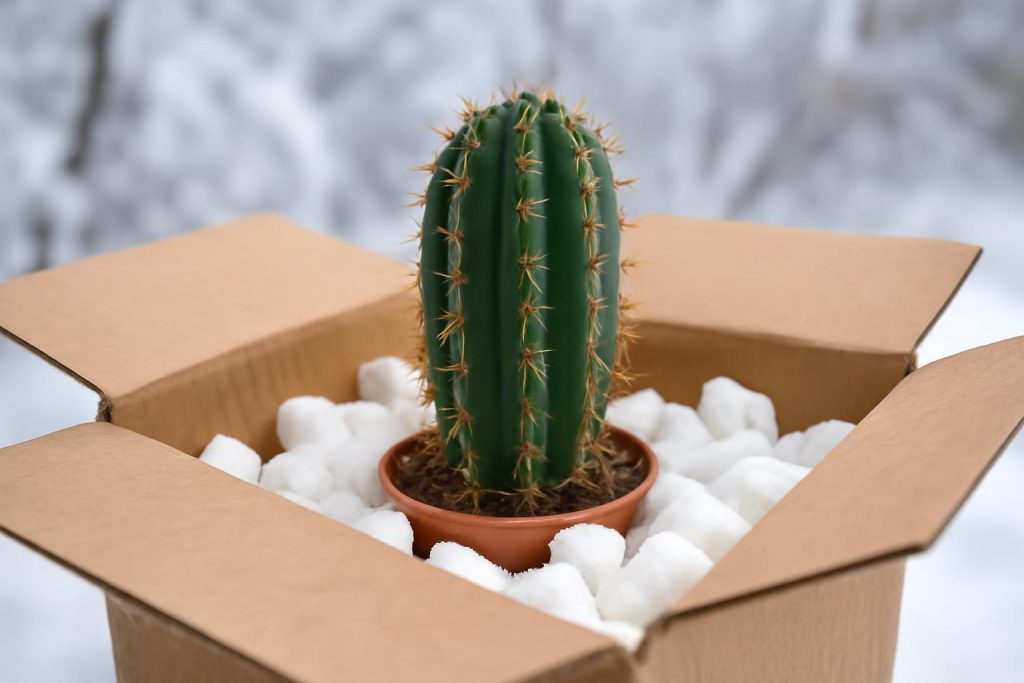
Winter should not prevent Canadian plant enthusiasts from adding a new cactus or succulent to their collection. However, winter cactus shipping in Canada requires thoughtful timing, careful packaging, and a suitable acclimation plan once the parcel arrives. Freezing temperatures, delayed transport, and heated indoor air can all affect a live plant before it reaches your windowsill.
The good news is that many cacti are more resilient than they appear. A healthy, well-packed plant can often travel successfully when the shipment is planned around the weather. The key is understanding the risks and choosing a practical delivery window rather than treating winter shipping like a summer order.
Whether you are purchasing a small potted cactus for home decor, a collector plant, or a rare specimen from an online cactus nursery, the following guide will help you make a safer decision.
Why winter shipping is different for cacti
Cacti tolerate dry conditions, but that does not mean every cactus can tolerate prolonged freezing temperatures. Most cultivated cacti are adapted to warm or seasonally dry environments. When exposed to temperatures below their safe range, their cells may suffer cold injury even if the damage is not immediately visible.
Winter transportation creates several potential stress points:
- Freezing exposure: A parcel may spend time in an unheated vehicle, warehouse, porch, or delivery locker.
- Temperature swings: Rapid movement from freezing outdoor air into a warm home can stress tissues.
- Transit delays: Snowstorms and holiday volume can extend the time a plant remains boxed.
- Moisture retention: A recently watered cactus is more vulnerable to cold damage than a dry, dormant plant.
- Low winter light: Even a healthy arrival may need time to adjust to shorter days and weaker sunlight.
These risks vary considerably across Canada. A shipment to coastal British Columbia may face a different journey from one travelling to Alberta, Manitoba, Ontario, Quebec, or the Atlantic provinces. Weather at both the growing location and the destination matters.
Which cacti are best suited to winter delivery?
There is no single cactus that is automatically safe to ship in every Canadian winter. The best choice depends on the plant’s species, size, growing condition, packaging, and the forecast during the expected delivery period.
Small, established plants
Small, well-rooted plants are often easier to package securely than very large specimens. They can be surrounded with protective material and are less likely to shift inside the box. A compact plant may also warm more quickly after being brought indoors, although it should still be inspected carefully.
Dormant or dry plants
Plants that are shipped dry generally have a better chance of handling cool transit than plants with wet soil. Moisture combined with cold can increase the risk of root problems and tissue damage. This is one reason responsible growers may allow soil to dry before dispatching a cactus during colder months.
Cold-tolerant varieties
Some species are naturally more tolerant of cool conditions than tropical or subtropical succulents. Certain Echinocereus, Opuntia, and other cold-adapted cacti may handle low temperatures better when dry and dormant. However, cold tolerance in the garden is not identical to safe shipping tolerance. A plant that survives a cold, dry winter outdoors may still be damaged by wet roots, sudden freezing, or repeated temperature changes in a parcel.
Plants that need extra caution
Warm-growing species, freshly rooted cuttings, tiny seedlings, and recently watered plants deserve additional caution. Delicate collector cacti and uncommon succulents may also have less tolerance for rough handling or prolonged cold. If a plant is particularly valuable or difficult to replace, waiting for a milder forecast may be the better choice.
How an online cactus nursery prepares plants for cold weather
Safe winter delivery starts before the parcel is sealed. A professional online cactus nursery should consider the plant’s health, soil moisture, forecast, packaging, and shipping route.
Checking the plant before dispatch
A plant should be firm, healthy, and free from obvious rot or pest problems before it travels. Shipping is stressful, so plants already struggling may not recover as easily. A good pre-shipment inspection also helps identify loose soil, broken spines, damaged roots, or unstable pots that could cause trouble in transit.
Reducing excess moisture
Many cacti should be shipped with relatively dry soil during cold weather. The exact approach depends on the species and the plant’s condition, but avoiding a saturated root ball is generally sensible. Customers should not assume that watering immediately before shipment is helpful. In winter, dry is often safer than wet.
Securing the pot and stems
Packaging should prevent the pot from moving freely while protecting the body of the plant from impact. Paper, cardboard supports, cushioning, and a correctly sized box can reduce breakage. Spines can catch on loose materials, so packing must be protective without pressing tightly against the plant.
Using insulation appropriately
Insulating materials can slow temperature changes, but they cannot make a parcel immune to freezing conditions. Heat packs, when used, must be selected and positioned carefully. Direct contact with a cactus can create hot spots, while an exhausted heat pack may provide little benefit after a long delay. Packaging decisions should account for the expected route rather than relying on insulation alone.
When should you order a cactus in Canada during winter?
Timing is one of the most effective ways to improve delivery conditions. Before ordering, check the forecast at the shipping origin, along the likely route, and at your destination. A brief mild period is usually preferable to sending a plant directly into a major cold snap.
Whenever possible, choose a delivery period that avoids weekends and statutory holidays. A plant arriving on a Friday may remain outside or in a depot until Monday if nobody is available to receive it. Arrange for someone to accept the parcel, or use a delivery location where it can be collected promptly.
For customers ordering from a Canadian cactus and succulent shop, it is also sensible to review current delivery information before completing checkout. Shipping schedules, available services, and weather policies can change during the season.
Consider pausing orders during severe cold
If temperatures are expected to remain well below freezing for several days, postponing a live-plant order may protect both the plant and your investment. Seeds, growing supplies, pots, and other non-living items may be safer choices during an extreme weather window. A short delay is often preferable to asking a living plant to endure an avoidable journey through dangerous conditions.
What to do when your cactus arrives in cold weather
Do not open a frozen or very cold parcel immediately in a hot room. Sudden temperature changes can add stress. Instead, move the sealed box to a cool, sheltered indoor area away from radiators, fireplaces, heat vents, and direct sun. Allow it to warm gradually for several hours.
Once the parcel has reached room temperature, open it carefully and inspect the plant.
- Look for soft, translucent, darkened, or collapsed areas.
- Check whether the pot has broken or shifted during transit.
- Inspect the soil for excessive moisture or a strong sour smell.
- Look for detached segments, damaged roots, or broken growth points.
- Photograph the packaging and plant if you notice possible shipping damage.
Cold injury may not appear immediately. Some tissues darken or soften over the next several days. Avoid cutting damaged areas at once unless rot is clearly spreading. Give the plant time to stabilize, then remove dead tissue with a clean, sterilized tool if necessary.
Aftercare during the first week
Place the cactus in bright, indirect light while it acclimates. A sunny window can be useful, but a plant that has been cold and boxed should not be placed immediately against freezing glass or exposed to intense direct sunlight. Gradually increase light over several days.
Do not water automatically after unpacking. If the plant arrived cold, recently watered, or showing stress, additional water may make the problem worse. Wait until the plant is fully acclimated and the soil is dry. The correct watering schedule depends on species, pot size, indoor temperature, humidity, and available light.
Keep the new arrival separate from your existing collection for a short observation period. This is useful even when winter is not involved because it provides time to watch for pests, fungal issues, or unexpected damage before placing the plant beside other specimens.
How to choose a winter-ready cactus online
Product information can help you decide whether a plant is suitable for immediate winter delivery. When browsing a cactus and succulent category directory, consider the following questions before choosing a plant:
- Is the plant established and rooted, or is it a fresh cutting?
- Does the listing identify the approximate plant size and pot size?
- Is the species suited to indoor growing in a Canadian home?
- Will the plant require a warm growing environment?
- Is the destination forecast mild enough for live-plant transit?
- Can someone receive the parcel promptly?
For collectors, it can be tempting to focus only on rarity. A rare Ariocarpus, Astrophytum, Lophophora, or unusual succulent may be an exciting addition, but value also increases the importance of careful timing. If the weather is unsuitable, saving the item for a better shipping window may be the most responsible decision.
Live plants versus seeds in the cold season
Seeds are often a practical alternative when winter conditions make live-plant delivery risky. They do not face the same problems with frozen tissue, broken stems, or cold-damaged roots. However, seeds still need appropriate storage. Keep them dry, sealed, and protected from temperature extremes until you are ready to sow them.
Ordering seeds in winter can also give you time to prepare a cactus seed germination setup. By the time daylight improves, you may have a clean container, sterile growing medium, humidity cover, and suitable lighting ready for the growing season. Browse the available cactus and succulent product listings to compare live plants, seeds, and growing supplies.
Frequently asked questions
Can cacti be shipped in Canada during winter?
Yes, cacti can sometimes be shipped successfully during winter, especially when temperatures are moderate, the plant is dry and healthy, packaging is appropriate, and delivery is prompt. Severe or prolonged freezing conditions increase the risk considerably.
Should I water a cactus before it is shipped?
Usually, avoid watering immediately before cold-weather shipment unless the grower specifically recommends it. Damp soil and low temperatures can increase the risk of root and tissue damage. The correct approach depends on the species and its growing condition.
How long should a cold cactus acclimate after delivery?
Allow a very cold parcel to warm gradually for several hours before opening it. After unpacking, give the plant several days to adjust in bright, indirect light. Avoid immediate watering, repotting, or intense direct sun.
What if my cactus looks damaged after winter delivery?
Document the condition with clear photographs, including the box and packing materials. Contact the seller promptly and follow their stated shipping or damage-reporting process. Some cold damage develops slowly, so continue observing the plant after the initial inspection.
Is it safer to buy a large cactus in winter?
Not necessarily. A large cactus may have more mature tissues, but it can also be harder to package, more vulnerable to breakage, and more expensive to replace. The species, health, packaging, and weather are more important than size alone.
A practical winter ordering checklist
Before placing a cold-season order, use this simple checklist:
- Check temperatures at the origin and destination.
- Avoid severe cold snaps, weekends, and long holiday delays.
- Choose a healthy, established plant when possible.
- Confirm that someone can receive the parcel promptly.
- Prepare a cool, sheltered acclimation area indoors.
- Wait before watering, repotting, or exposing the plant to intense light.
- Photograph the parcel if there is visible damage.
With sensible planning, winter does not have to end your cactus-collecting season. Understanding the limits of live-plant transport, choosing an appropriate delivery window, and giving a new arrival time to acclimate can make buying cactus online in Canada a much more reliable experience.
