
Uncategorized
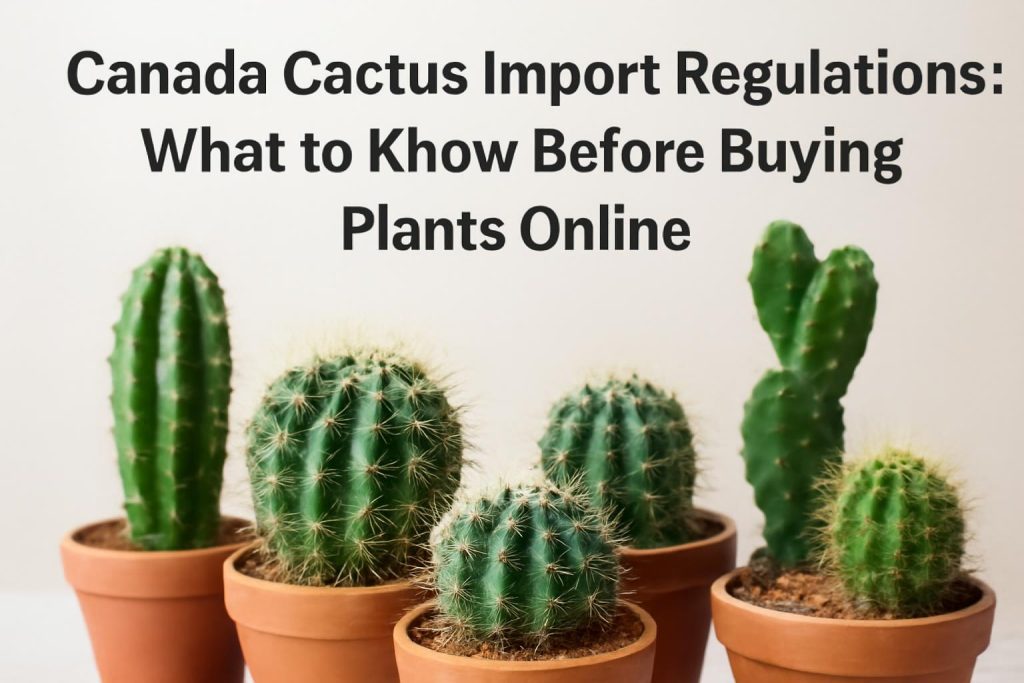
Canada Cactus Import Regulations: What to Know Before Buying Plants Online
Oct
Buying a cactus online can open the door to unusual collector plants, greenhouse-grown specimens, succulents, and hard-to-find seeds. For Canadian buyers, however, the safest purchase begins with understanding how plants move across borders. Species, origin, shipment type, season, and documentation can all affect whether an order arrives smoothly.
This is an evergreen planning guide rather than a claim about a current trend. Regulations and border requirements can change, so always confirm the rules that apply to your specific plant before ordering. A responsible Canadian seller should also be able to explain where an item ships from, whether it is a live plant or seed, and what restrictions may apply.
Why Canadian cactus orders can have different requirements
Cacti and succulents are living organisms, not ordinary household goods. When they cross a national border, authorities may assess them for plant pests, soil-borne diseases, invasive species concerns, and conservation requirements. Seeds can have different conditions from rooted plants, while bare-root plants can be treated differently from plants shipped in soil.
The country of origin matters as well. A cactus grown in Canada is generally a different logistics situation from a specimen imported from another country. Even when a species is widely cultivated, the shipment may still need to meet plant-health or conservation rules.
Before you buy, identify four basic details:
- What is being shipped? A live plant, cutting, graft, seed packet, or mixed collection?
- Where is it shipping from? A Canadian nursery, another country, or an unknown location?
- Is it shipped with soil? Soil and growing media can create additional restrictions.
- What is the exact botanical name? Common names are not always precise enough for regulatory checks.
Canadian seller versus international seller
For many Canadian customers, ordering from a Canadian online cactus nursery is the simplest option. Domestic shipping usually avoids the uncertainty of international plant entry, although normal carrier restrictions and seasonal risks still apply. It can also make it easier to ask questions, resolve damage claims, and choose a shipping window suited to Canadian weather.
When purchasing from a Canadian source such as Cacti Kingdom, look for clear information about Canadian shipping, plant condition, packaging, and availability. A domestic seller should communicate whether the plant is grown locally, shipped bare-root, or prepared in another way for transit.
International orders require more research. The seller may not know Canadian requirements, and a package can be delayed, refused, returned, or destroyed if it lacks the correct paperwork or violates an import condition. The buyer may also be responsible for inspection charges, taxes, duties, brokerage, or return shipping.
What to check before ordering a live cactus
1. Confirm the botanical identity
Ask for the accepted scientific name rather than relying only on a marketing name such as “rare desert cactus” or “collector succulent.” Accurate identification is especially important for uncommon genera such as Ariocarpus, Aztekium, Lophophora, and certain Trichocereus species.
Similar-looking cacti can have very different conservation or import requirements. A reputable listing should provide a botanical name, approximate plant size, whether the specimen is seed-grown or propagated, and any relevant locality information when it is known.
2. Ask whether the plant ships with soil
Soil and organic growing media can carry insects, fungi, nematodes, weed seeds, and other agricultural pests. For this reason, international shipments of rooted plants may be subject to stricter conditions than clean seeds or bare-root specimens.
Never assume that removing a plant from its pot automatically makes an international shipment acceptable. Packaging, roots, attached media, and the export requirements of the sending country may still matter. The seller should describe the preparation method honestly and avoid promising that customs clearance is guaranteed.
3. Check whether a permit or certificate may be required
Some plants require official documentation before they can enter Canada. Depending on the species and origin, this may include a phytosanitary certificate, an import permit, or other declarations. Requirements can vary based on the type of plant, the exporting country, and the intended use.
Do not place an international order until you understand who obtains each document. “The seller will handle everything” is not always enough. Ask whether the paperwork is included in the price, attached to the package, or requested by the buyer before purchase.
Why CITES can matter for rare cactus species
Some cactus species are protected under international conservation rules, including the Convention on International Trade in Endangered Species of Wild Fauna and Flora, commonly known as CITES. A CITES listing does not necessarily mean that a cultivated plant cannot be purchased. It does mean that international trade may require specific permits, certificates, or proof of legal propagation.
This is particularly relevant when shopping for rare cactus for sale, old specimens, wild-collected plants, or species associated with threatened habitats. A seller should be able to explain whether a plant is nursery-propagated and whether conservation paperwork applies.
Be cautious with listings that use words such as “wild,” “field-collected,” “ancient,” or “freshly dug.” Removing plants from natural habitats can damage slow-growing populations and may be illegal. For collectors, seed-grown and responsibly propagated material is generally a better choice than an undocumented specimen.
When a listing is unclear, pause the purchase and request documentation. A low price is not a benefit if the plant cannot legally enter Canada or contributes to harmful collection practices.
Seeds are not automatically exempt
Cactus seeds and succulent seeds are often easier to package than live plants, but they still may be subject to plant-health and conservation rules. A packet can contain incorrectly identified, contaminated, restricted, or protected material. Mixed seed lots can be especially difficult to assess if the species are not individually named.
Before purchasing seeds internationally, check:
- Whether every species is identified by its botanical name.
- Whether the seller states the country of origin.
- Whether the seeds are commercially packaged and properly labelled.
- Whether a permit or certificate is required.
- Whether the species is protected or subject to conservation controls.
Canadian buyers who want a simpler experience can start with a domestic collection of cactus and succulent listings. A local source can also make it easier to compare species, ask about germination expectations, and order additional supplies without adding international border risk.
Canadian weather is part of the shipping decision
Even a legally compliant order can arrive damaged if it travels through severe cold. Many desert cacti tolerate temperature changes in their natural habitats, but a potted plant in a parcel is more vulnerable. Prolonged exposure to freezing conditions can cause tissue damage that may not be obvious immediately.
For that reason, winter shipping requires planning. Check the forecast at the seller’s location, along the route, and at your delivery address. Avoid having a plant sit outside, in an unheated lobby, or in a parcel locker during a cold snap. If possible, select a delivery address where someone can receive the package promptly.
Ask the seller about seasonal shipping pauses, insulation, heat packs, and delivery scheduling. Heat packs are not suitable for every plant or transit duration, and they do not guarantee safe temperatures. In some cases, waiting for a milder shipping window is the most responsible option.
How to inspect a cactus after delivery
When your cactus arrives, inspect the box before opening it. Photograph visible damage, crushed packaging, moisture, and shipping labels. Then unpack the plant carefully and check it for the following signs:
- Soft, translucent, blackened, or collapsed tissue.
- A sour smell or wet, decomposing roots.
- Unusual insects, webbing, cottony deposits, or scale.
- Broken stems, detached grafts, or severe bruising.
- Loose soil or moisture trapped around the crown.
Do not immediately water a newly delivered cactus. Let it acclimate in bright, indirect light and good airflow. If the plant is bare-root, follow the seller’s instructions before potting. If you suspect pests or rot, keep the newcomer away from your existing collection until it has been assessed.
Contact the seller quickly if there is serious damage. Most shipping policies have a limited reporting period, and clear photographs can help resolve the issue.
Choosing a trustworthy online cactus nursery
A reliable online nursery should provide more than attractive photographs. Look for complete product descriptions, realistic size information, accurate names, shipping terms, and a clear contact method. The seller should distinguish between a rooted plant, a cutting, a graft, and seeds.
It is also useful to review the nursery’s collection structure before buying. You can browse the available cactus and succulent categories to compare collector plants, seeds, cold-hardy selections, agaves, growing supplies, and other options. Product availability changes, so confirm the current listing details before placing an order.
Be cautious when a seller:
- Guarantees customs clearance for every country.
- Refuses to provide a botanical name.
- Describes a protected plant as “legal everywhere.”
- Promises a large rare specimen at an implausibly low price.
- Does not explain shipping conditions or damage procedures.
- Uses stock images that do not represent the actual plant or batch.
A practical checklist for Canadian buyers
Use this checklist before paying for a plant or seed order:
- Write down the exact botanical name and form of the item.
- Confirm whether the order ships from within Canada.
- Ask whether it contains soil, moss, or other growing media.
- Check for possible phytosanitary, import, or CITES requirements.
- Confirm who is responsible for permits, taxes, brokerage, and inspection fees.
- Review the seller’s winter shipping and live-arrival policy.
- Choose a delivery address where the parcel can be received promptly.
- Save the invoice, product description, correspondence, and tracking details.
- Photograph the parcel and plant if damage occurs.
- Quarantine the new plant before placing it beside an established collection.
Frequently asked questions
Can I buy cactus plants online in Canada?
Yes. Buying from a Canadian nursery is often the simplest approach because the order does not normally involve international plant entry. You should still check the seller’s shipping coverage, seasonal policies, and plant-health practices.
Do cactus seeds need a permit to enter Canada?
It depends on the species, origin, packaging, and current import requirements. Seeds are not automatically free from restrictions. Confirm the rules for the specific botanical names before ordering internationally.
Can I import a rare cactus into Canada?
Possibly, but rarity can increase the need for careful documentation. Protected species may be subject to CITES controls, while plants from certain origins may require plant-health paperwork. Choose legally propagated material and obtain the necessary information before purchase.
Should live cacti be shipped during a Canadian winter?
Only when the weather, packaging, carrier timing, and delivery location are suitable. During severe cold, postponing shipment is usually safer than relying on insulation alone.
What should I do if a cactus arrives damaged?
Photograph the package and plant, keep the packaging, and contact the seller within the timeframe stated in the shipping policy. Do not water or discard the plant before receiving instructions, unless rot or pests require immediate isolation.
Buy with documentation and care in mind
The best online cactus purchase is not simply the rarest or largest specimen. It is a plant that can be identified, shipped legally, transported safely, and cared for successfully after arrival. Canadian buyers can reduce surprises by choosing a transparent domestic nursery, checking the species before ordering, planning around winter temperatures, and treating conservation rules as part of responsible collecting.
With a little preparation, you can have live cacti, succulents, or seeds delivered to your door while protecting your collection, your budget, and the wild populations that make these plants worth growing.
