
Uncategorized
Greenhouse-Grown Cacti for Canadian Homes: How to Choose Healthy Collector Plants Online
Oct
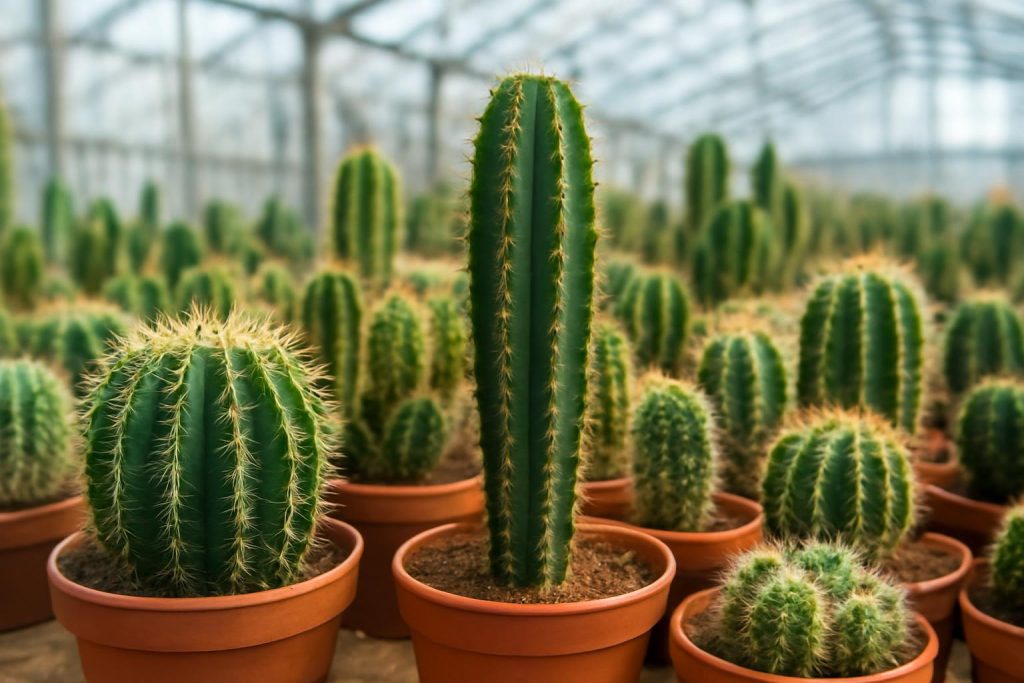
Buying a greenhouse grown cactus in Canada is an excellent way to add living texture to a home, office, or collector shelf. Greenhouse cultivation gives growers greater control over light, temperature, watering, potting media, and pest monitoring. It also allows uncommon plants to be raised in a stable environment before they arrive at your door.
However, a healthy cactus is not automatically suited to every Canadian home. A plant that thrives under strong greenhouse light may need a gradual transition to a bright windowsill. A rare, slow-growing species may require a different routine from a fast-growing columnar cactus. Seasonal shipping conditions, indoor humidity, and the amount of available sunlight all matter.
This guide explains how to choose greenhouse-grown cacti online, what to look for when your order arrives, and how to create dependable growing conditions throughout the Canadian year. The topic is an evergreen buying and care consideration rather than a claim about a current market trend.
Why choose a greenhouse grown cactus in Canada?
Greenhouse cultivation is especially valuable for cacti and succulents because these plants respond strongly to their growing environment. A well-managed greenhouse can provide consistent warmth, airflow, bright light, and carefully timed irrigation. These conditions help a plant establish a strong root system and maintain compact, characteristic growth.
More reliable establishment
Cacti raised in controlled conditions are generally easier to assess before sale. Growers can monitor new growth, root development, signs of rot, and insect activity. A well-rooted plant is better prepared for the change from nursery conditions to an indoor environment than a stressed or recently disturbed specimen.
Better access to unusual varieties
Greenhouses make it possible to grow species that are difficult to find in ordinary garden centres. Collectors may encounter sculptural Astrophytum, compact Ariocarpus, unusual Mammillaria, cultivated Trichocereus, and distinctive succulents such as lithops or caudiciforms.
Availability changes, so it is sensible to inspect the current Cacti Kingdom online collection rather than choosing a plant based only on a general species name. A listing should provide enough information to understand whether the item is a live plant, a cutting, or seed.
How to select the right cactus for your Canadian home
The best cactus is not necessarily the rarest one. It is the plant whose light, temperature, size, and care requirements match your space. Before buying, consider four practical factors: location, experience, growth habit, and seasonal routine.
Start with the available light
Light is often the limiting factor for indoor cacti in Canada. A south-facing window may provide several hours of direct sun, while a north-facing window may offer bright but indirect light. East- and west-facing windows can work well, especially when sunlight is supplemented during the darker months.
Compact desert species usually appreciate intense light. If natural light is weak, a quality grow light can help preserve healthy form. Place the light close enough to be effective while following the manufacturer’s instructions and allowing a dark period at night. Signs of insufficient light include stretched growth, pale colour, and unusually wide spacing between areoles.
Match the plant to your experience
Beginners often do well with forgiving choices such as many Mammillaria, Gymnocalycium, Haworthia, and other readily adaptable succulents. These plants still need proper drainage and light, but they can be less demanding than highly specialized collector species.
Experienced growers may enjoy slow-growing cacti such as Ariocarpus, Aztekium, or selected Astrophytum. These plants are rewarding because of their form, texture, and botanical interest, but they require patience. Slow growth is normal and should not be mistaken for poor health when the plant is firm, correctly coloured, and free from spreading damage.
Consider mature size
A small potted cactus can eventually become a substantial statement plant. Columnar species, including cultivated Trichocereus, may need vertical space and a heavier container as they mature. A large cactus also requires safe handling because spines can catch clothing or injure pets and children.
For shelves, desks, and office plants, choose compact species with a predictable growth habit. For a bright floor-level display, consider a larger specimen with a stable pot and enough room for air circulation.
What healthy greenhouse-grown cacti should look like
When shopping online, product photographs and descriptions are important, but they are only part of the assessment. Look for a plant described with clear identification, approximate size, pot dimensions when relevant, and the form in which it ships.
Signs of a strong plant
- The body is firm rather than soft, collapsed, or wet-looking.
- The colour is consistent with the species and does not show unexplained dark patches.
- Growth is reasonably compact for the plant’s light history.
- Spines, tubercles, ribs, or leaves appear intact and naturally formed.
- The listing clearly distinguishes rooted plants from cuttings and seeds.
- The plant is packaged in a way that protects the body and growing point.
Minor cosmetic marks do not always indicate a problem. Cacti can develop corking, healed scars, or harmless blemishes as they age. The important distinction is between stable, dry marks and active damage that is spreading, soft, wet, or foul-smelling.
Questions worth asking before purchase
If a listing does not answer an important question, contact the nursery before ordering. Ask whether the plant is rooted, what pot size is supplied, whether it is shipped bare-root or potted, and whether seasonal shipping recommendations apply. It is also useful to ask how the nursery handles cold-weather orders.
Canadian customers should confirm the delivery area and review the store’s current shipping information. Cacti Kingdom identifies its service as Canadian shipping only, so customers should check the applicable delivery details before placing an order.
Preparing for a cactus delivered to your door
Plan the plant’s arrival before ordering. Select a warm indoor location away from radiators, exterior doors, and cold drafts. Prepare a clean saucer, suitable light, and a dry, fast-draining growing medium if repotting will be necessary.
During cold weather, avoid allowing a package to sit outside for extended periods. If tracking is available, monitor the expected delivery date and arrange for someone to receive it. A cactus may tolerate a short journey, but freezing temperatures combined with prolonged exposure can cause serious tissue damage.
Unpack carefully
- Bring the package indoors before opening it.
- Allow the contents to reach room temperature naturally if they arrived very cold.
- Remove packing material slowly, supporting the pot or plant body.
- Inspect for broken spines, movement in the pot, soft areas, or visible pests.
- Keep the plant separate from your existing collection for observation.
Do not water immediately simply because the plant has arrived. Shipping and handling can cause minor stress, and wet roots in a cool environment are more vulnerable to problems. Let the plant settle according to its condition, season, and the nursery’s care instructions.
Acclimating a greenhouse-grown cactus to indoor light
One of the most common mistakes after purchasing a greenhouse grown cactus in Canada is moving it directly into intense midday sun. Even a sun-loving plant can suffer sunburn after a sudden change in light exposure.
Begin with bright indirect light for several days. Then introduce a short period of gentle direct sun, gradually increasing exposure over one to three weeks. The exact pace depends on the species, season, window glass, and the light level it experienced before shipping.
Sunburn may appear as tan, yellow, orange, or brown patches on the side facing the light. Damaged tissue will not return to its original colour, so prevention is preferable. If the plant shows stress, move it back from the window and resume acclimation more slowly.
Watering and potting after online delivery
Cacti need water, but they do not need constantly moist soil. The growing medium should dry substantially between waterings, and the pot must have a drainage opening. Decorative cachepots without drainage can hold excess water around the roots and increase the risk of rot.
When the plant is actively growing in bright, warm conditions, water thoroughly enough to moisten the root ball, then allow excess water to drain away. During shorter, darker Canadian days, many cacti use less water. Reduce frequency rather than following a rigid calendar.
Should you repot immediately?
Not always. If the plant arrives in a suitable pot and appears stable, leaving it undisturbed for a short acclimation period can reduce stress. Repot when the medium stays wet too long, the container lacks drainage, roots are severely crowded, or the plant requires a more appropriate mineral mix.
Use a gritty, free-draining cactus medium. A blend may include mineral components such as pumice or coarse grit along with a modest amount of organic material. Avoid placing a small cactus in an oversized pot, since extra soil can remain wet for too long.
Seasonal care for Canadian growers
Canada’s growing conditions change dramatically over the year, even indoors. In spring and summer, longer days and warmer rooms may encourage active growth. In autumn and winter, lower light and cooler temperatures often slow the plant’s metabolism.
Winter
Keep cacti away from freezing drafts and windows that become very cold at night. A bright grow light can help prevent weak growth. Water sparingly when temperatures are cool and light is limited, especially for desert species that naturally rest during winter.
Spring
Increase watering gradually as light and growth return. This is also a useful time to inspect roots, refresh old growing media, and introduce more direct sunlight carefully.
Summer
Good airflow becomes important near sunny windows. Rotate the pot occasionally for balanced growth, but avoid frequent movement if it causes the plant to experience abrupt changes in temperature or light.
Building a thoughtful collector cactus order
A collection is easier to manage when plants have compatible requirements. Group high-light desert cacti together and place lower-light succulents separately. Label each plant with its botanical name, purchase date, and basic watering notes. This is especially helpful when caring for similar-looking species.
New collectors can explore available categories through the site’s cactus and succulent product categories, including collector cacti, live plants, seeds, agaves, and growing supplies. For a broader inventory view, the Cacti Kingdom product catalogue can help you distinguish plant listings from seed and supply listings.
When choosing rare or threatened cactus species, prioritize cultivated plants and legally sourced seed. Responsible purchasing supports propagation and reduces pressure on wild populations. Never remove plants from natural habitats, and do not assume that a rare name alone proves authenticity or conservation value.
Frequently asked questions
Are greenhouse-grown cacti suitable for beginners?
Yes, provided the species matches the available light and the plant is given a draining pot. Beginners should start with well-established, clearly labelled plants and learn the signs of overwatering before moving into more specialized collector varieties.
Can a cactus survive shipping in Canada?
Many cacti can travel successfully when packaged properly and delivered promptly. Temperature is the main seasonal concern. During cold periods, monitor delivery timing, receive the parcel quickly, and follow the nursery’s winter shipping guidance.
How long should I wait before watering a newly delivered cactus?
There is no universal number of days. Inspect the plant, consider the temperature and light, and determine whether the growing medium is already dry. A recently shipped cactus in cool, dim conditions should generally not be watered immediately.
What is the best cactus for a Canadian apartment?
The best choice depends on the apartment’s windows and temperature. Compact, light-tolerant species are usually practical for shelves and windowsills. If your home has limited natural light, choose a plant that can be supported with a grow light rather than relying on a dark corner.
Are rare cacti more difficult to care for?
Not always, but many rare cacti are less forgiving of poor drainage, low light, or frequent watering. Their slower growth also means that mistakes can take longer to correct. Research the species and buy from a nursery that provides clear identification and care information.
Final thoughts
Choosing a greenhouse grown cactus in Canada is about more than finding an unusual shape. The strongest purchase is a healthy, appropriately identified plant that suits your light, space, schedule, and seasonal conditions. Prepare for delivery, acclimate gradually, use a draining container, and adjust watering as the year changes.
With those fundamentals in place, a small potted cactus can become a long-lived feature of your home or a carefully documented addition to a collector’s cabinet. Whether you are looking for a beginner-friendly plant, a large architectural specimen, or a slow-growing botanical curiosity, thoughtful selection is the foundation of successful cactus care.
