
Uncategorized
Cold-Hardy Cactus in Canada: How to Choose, Grow, and Protect Your Plants
Oct
When Canadian gardeners hear the words “cold-hardy cactus,” they may picture a plant that can survive any winter without help. In reality, cold tolerance depends on several factors: the species, how established the plant is, winter moisture, wind exposure, soil drainage, and the length of freezing conditions.
That does not make cactus growing in Canada impractical. Quite the opposite: several hardy types can perform well in outdoor rock gardens, sheltered balconies, alpine beds, and bright indoor spaces. The key is matching the plant to your local climate and managing the conditions that cause the most damage.
This guide explains how to choose cold hardy cactus in Canada, what to look for when buying a plant or seeds, and how to protect your collection through wet autumns and freezing winters.
What makes a cactus cold-hardy?
Cold hardiness is a plant’s ability to tolerate low temperatures without suffering lasting tissue damage. Some cacti naturally experience freezing nights in their native habitats, while others come from warm desert regions and must be kept above freezing.
Hardy species often have adaptations such as compact growth, dense spines, seasonal dormancy, and the ability to reduce water in their tissues before winter. Many outdoor-hardy cacti also tolerate short periods below 0°C when they are dry and fully dormant.
However, cold tolerance is not the same as unlimited frost resistance. A plant may survive a brief temperature drop but fail after repeated freeze-thaw cycles or prolonged exposure to cold rain. For Canadian growers, winter moisture is frequently as important as temperature.
Where can you grow cold-hardy cactus in Canada?
Canada includes several growing conditions, so a cactus that succeeds in southern British Columbia may need different treatment in Alberta, Ontario, Quebec, or the Atlantic provinces. Your local winter lows, snow cover, spring rainfall, and exposure to wind all matter.
Outdoor growing
Outdoor cactus growing is most realistic in a sheltered, sharply drained location. A south-facing rock garden, raised bed, covered balcony, or protected foundation planting can provide warmer conditions than an exposed lawn.
In colder regions, outdoor plants may need a rain shelter, breathable frost cover, or the option to move into an unheated garage or cold greenhouse during the wettest part of the season. Some gardeners grow hardy cactus outdoors from late spring through early autumn and overwinter them under cover.
Indoor growing
Indoor growing is the safest choice for many Canadian homes. A sunny south- or southwest-facing window can provide suitable light for several compact varieties. During the short days of winter, a grow light may help prevent weak, stretched growth.
Keep indoor cactus away from cold glass, heat vents, and frequently opened exterior doors. A bright, cool room is often better than a hot location with poor light.
Cold-hardy cactus varieties to consider
Not every plant labelled “hardy” has the same requirements. Before buying, check the expected mature size, moisture tolerance, and whether the plant is intended for outdoor cultivation in your region.
Opuntia
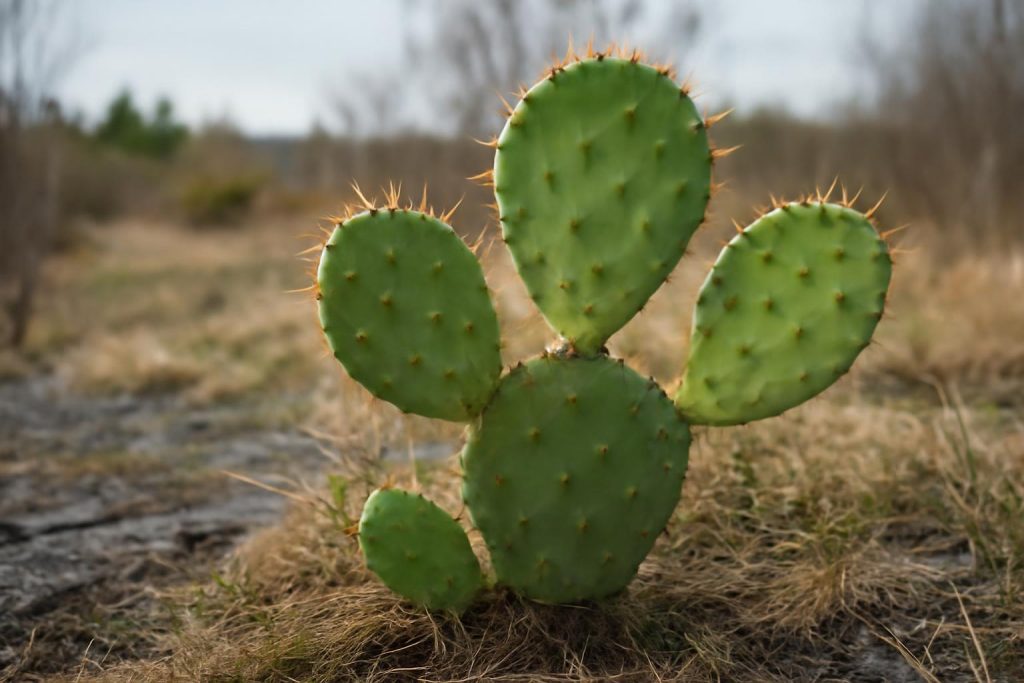
Opuntia, often called prickly pear, includes some of the best-known hardy cactus. Their flattened pads create an architectural shape, and many produce bright flowers followed by decorative fruit. Some types can tolerate substantial cold when grown in very well-drained soil and kept relatively dry in winter.
Because glochids can detach easily, place Opuntia away from high-traffic areas, pets, and children. Use long tongs or thick gloves when handling pads or repotting.
Echinocereus
Echinocereus species are valued for colourful flowers, compact forms, and impressive spination. Certain types are suitable for cold-climate collections, particularly when protected from prolonged winter wetness.
They are excellent candidates for a raised mineral bed or a container that can be moved under cover. Their size also makes them practical for smaller patios and balconies.
Escobaria and related compact species
Escobaria and other small, mound-forming cactus can suit collectors who want a hardy plant without a large footprint. Their compact growth makes them attractive in trough gardens, alpine displays, and carefully arranged containers.
Small plants can be more vulnerable to rapid temperature changes than established specimens, so provide extra protection during their first winter.
Sempervivum and hardy succulents
Although not cactus, hardy succulents such as Sempervivum are useful companions in a Canadian xeric garden. They can provide colour and texture while tolerating conditions that may be unsuitable for tender desert species.
Combining hardy cactus with cold-tolerant succulents can create a more varied display, but each plant should still be placed according to its moisture and light requirements.
What to look for when buying cactus online in Canada
When you buy cactus online in Canada, focus on plant condition and growing suitability rather than appearance alone. A healthy cactus may look modest after shipping or seasonal dormancy, but it should have firm tissue and no spreading soft spots.
Choose the right form
Live plants offer an immediate display and are easier to identify at a glance. Seeds provide a wider choice of species and are rewarding for patient growers, but they require controlled moisture, warmth, and light during germination.
For a first outdoor project, a well-rooted plant is usually more forgiving than a seedling. For collectors, seeds can open the door to unusual forms and species that are difficult to find as mature plants.
Check the growing information
Look for details about mature size, light requirements, minimum temperatures, watering, and dormancy. A plant that tolerates cold air may still be damaged by wet soil. If the listing does not explain winter needs, plan to grow the plant indoors or under cover until you can confirm its tolerance.
Consider shipping timing
Canadian weather changes quickly. During extreme heat or freezing conditions, live plant shipping may require extra planning. Avoid leaving a package outdoors for long periods, and inspect the plant soon after arrival.
Allow a newly delivered cactus to settle before watering. If the potting mix is already moist, give it time to dry. Sudden changes in light can also cause stress, so introduce the plant to strong sun gradually.
How to prepare the ideal soil
Excellent drainage is essential for cold-hardy cactus. In a container, use a gritty cactus mix that allows water to pass through quickly. A blend containing mineral components such as pumice, coarse sand, or grit can help reduce the risk of saturated roots.
Do not place a cactus in a decorative pot without a drainage hole. Cachepots can be used, but remove the growing pot after watering and allow it to drain fully before returning it.
For outdoor planting, avoid low areas where snowmelt and spring rain collect. A raised mound or sloping bed is often more reliable than amending a poorly drained planting hole with a small amount of grit.
Light and watering through the seasons
Spring
Increase watering gradually as daylight and temperatures rise. Plants emerging from dormancy may need time to resume active growth. Begin with a small drink only after the potting mix has dried and the plant shows signs of activity.
Summer
During active growth, water deeply but infrequently. Let the soil dry between watering sessions. The exact schedule depends on pot size, airflow, temperature, and sunlight. A cactus in a small black container on a hot balcony may dry much faster than one in a larger pot indoors.
Autumn
Reduce watering as nights become cooler. Avoid late-season watering when cold, wet weather is approaching, especially for outdoor plants. The goal is to allow the plant and soil to dry before dormancy.
Winter
Many dormant cactus require little or no water in a cool winter location. Warm indoor rooms can complicate dormancy because plants may continue trying to grow in weak light. If possible, provide bright light, good airflow, and moderate temperatures.
Protecting cactus from Canadian winter damage
Winter protection should focus on keeping the plant dry, stable, and protected from sudden temperature swings.
- Use a rain shelter: A clear roof or covered position can prevent cold winter precipitation from saturating the soil.
- Improve air circulation: Do not wrap plants tightly in plastic. Trapped moisture can encourage rot.
- Raise containers: Keep pots off freezing concrete and away from standing water.
- Group plants carefully: Clustering containers can reduce wind exposure, but leave enough space for airflow.
- Move tender plants indoors: If a variety is not reliably hardy for your area, bring it into a bright, cool location before hard frost.
- Protect from freeze-thaw cycles: A stable covered environment is often safer than repeated exposure to daytime thawing and overnight freezing.
Do not assume that heavy insulation is always better. A cactus sealed under damp material may suffer more damage than one exposed to cold, dry air. Use breathable protection and monitor conditions during warm spells.
Growing cold-hardy cactus from seed
Starting cactus from seed is a slower but fascinating way to build a collection. Many species germinate best in a clean, fine-textured medium with consistent moisture and bright, indirect light. A covered seed tray can maintain humidity during germination, but it should be opened gradually to improve airflow once seedlings appear.
Seedlings are more delicate than mature plants. They should not be exposed immediately to harsh direct sun, freezing temperatures, or rapidly drying conditions. Keep them growing steadily during their early stages, then gradually introduce a drier routine as they become established.
If you are new to the process, explore the available cactus and succulent seed collection and choose a species whose germination requirements match your equipment and patience level.
Common mistakes Canadian cactus growers make
Overwatering because the plant looks dry
Wrinkling can indicate thirst, but it can also occur during dormancy or after root stress. Check the soil, light, temperature, and root condition before watering repeatedly.
Using ordinary garden soil
Dense soil can remain wet around the roots for too long. A fast-draining mix is especially important in cool weather when evaporation slows.
Putting a newly purchased plant in full sun
Even sun-loving cactus can scorch after moving from greenhouse or indoor conditions into intense sunlight. Acclimate gradually over one to two weeks.
Ignoring the pot size
An oversized pot holds more moisture than a small cactus can use. Choose a container only slightly larger than the root system and ensure it drains freely.
Leaving outdoor plants exposed in winter
Cold tolerance does not eliminate the need for protection from rain, snowmelt, wind, and unstable temperatures. A simple roof or movable container can make a major difference.
Frequently asked questions
Can cactus survive winter outdoors in Canada?
Some cold-hardy cactus can survive outdoors in parts of Canada, especially in dry, sheltered, well-drained locations. The safest approach depends on your local climate and the specific species. Tender varieties should be overwintered indoors or under controlled cover.
What is the best cold-hardy cactus for a beginner?
A well-rooted Opuntia or another locally suitable hardy species can be a good starting point. Choose a plant with clear care information and begin in a container so you can move it if conditions become too wet or cold.
Should I water cactus during a Canadian winter?
Usually, dormant cactus need very little water. In a cool, bright location, keeping the plant mostly dry helps reduce the risk of root rot. Warm indoor plants may need occasional attention, but always check that the soil has dried first.
Are cold-hardy cactus suitable for balconies?
Yes, containers can work well because they allow you to control soil drainage and move plants under cover. Balconies can be windy and colder than ground-level gardens, so use sturdy pots and provide winter shelter.
Where can I find more cactus growing ideas?
For additional inspiration, browse the Cacti Kingdom category collection to explore cold-hardy plants, collector cactus, seeds, succulents, and growing supplies.
Build a Canadian cactus collection with confidence
Growing cactus in Canada is less about finding a plant that ignores winter and more about creating the right microclimate. Select a suitable species, use sharply draining soil, provide strong light, reduce watering as temperatures fall, and keep outdoor plants protected from persistent moisture.
Whether you want a compact windowsill plant, a balcony display, or a carefully planned rock garden, the right cactus can bring structure and character to your space for years. Start with one well-suited variety, observe how it responds to your conditions, and expand your collection as your experience grows.
