
mescaline
How is mescaline used effects and safety
Aug
Understanding Mescaline: Use, Effects, Risks, and Safety
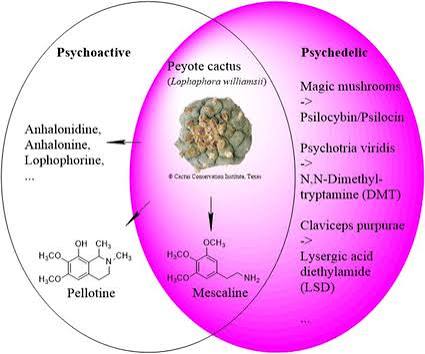
Mescaline is a naturally occurring psychedelic alkaloid found in various New World cacti, such as the Lophophora williamsii (peyote) and certain columnar Trichocereus (San Pedro) species. For centuries, these cacti have played a significant role in indigenous cultures and ethnobotanical traditions. Understanding how mescaline functions, its physiological impacts, and critical safety protocols is essential for public health awareness and harm reduction.
1. How Is Mescaline Used?
Historically and traditionally, mescaline-containing cacti are prepared and consumed in specific ritual or ceremonial contexts:
- Traditional Preparation: Indigenous practices often involve harvesting, slicing, and drying the crown buttons of the peyote cactus or boiling the green outer tissue of columnar cacti (such as San Pedro) into a concentrated, bitter liquid brew.
- Modern Contexts: In contemporary settings, isolated mescaline or dried cactus material is sometimes ingested orally in capsule or powder form. Because the alkaloid content varies widely depending on the plant’s age, species, and growing conditions, traditional and modern use both involve significant unpredictability regarding potency.
2. Effects of Mescaline
As a classic psychedelic, mescaline interacts primarily with serotonin receptors in the human brain (particularly the $5\text{-HT}_{2A}$ receptors). The experience—often referred to as a “trip”—typically begins within 1 to 2 hours of ingestion and can last anywhere from 8 to 12 hours.
- Psychological Effects: Altered thought patterns, profound introspection, emotional shifts, a sense of connectedness, and visual distortions (such as enhanced colors, geometric patterns, and halos around lights).
- Physiological Effects: Activation of the sympathetic nervous system frequently leads to dilated pupils, increased heart rate, elevated blood pressure, dizziness, chills or sweating, and pronounced initial nausea or vomiting during the onset phase.
3. Overdose and Toxicity Risks
While a fatal overdose from pure mescaline toxicity alone is rare, excessive doses present severe physical and psychological risks:
- Acute Physiological Stress: Extremely high doses cause dangerously elevated heart rates, severe hypertension, hyperthermia, and intense, prolonged gastrointestinal distress.
- Psychological Crises: Overwhelming sensory input can trigger severe anxiety, panic attacks, confusion, and acute psychosis or paranoia (frequently referred to as a “bad trip”). Individuals experiencing a psychological crisis require a safe, calm, and supportive environment.
4. Long-Term Effects
Research into the long-term impacts of mescaline remains limited compared to other substances, but current clinical understanding highlights several key considerations:
- Tolerance and Dependence: Mescaline rapidly induces physiological tolerance, meaning consecutive use yields diminished effects. It is not considered physically addictive, and users do not typically experience classic chemical withdrawal symptoms.
- HPPD (Hallucinogen Persisting Perception Disorder): In rare cases, individuals may experience recurring visual disturbances long after the substance has left their system.
- Mental Health Vulnerabilities: Psychedelics can unmask or exacerbate underlying latent psychiatric conditions, such as schizophrenia or severe anxiety disorders, in vulnerable individuals.
5. Mixing Mescaline with Other Drugs (Polysubstance Use)
Combining mescaline with other substances introduces unpredictable and potentially dangerous health risks:
- Alcohol or Sedatives: May increase the risk of severe nausea, dizziness, confusion, or accidental physical injury due to impaired coordination.
- Stimulants (Cannabis, Amphetamines, Cocaine): Can dramatically heighten anxiety, elevate heart rate, trigger panic attacks, and amplify psychological distress.
- SSRIs and Antidepressants: Can diminish the psychedelic effects or interact unpredictably with neurological pathways.
6. Reducing Harm and Safety Protocols
For individuals engaging with ethnobotanical or psychedelic substances, public health organizations emphasize strict harm-reduction principles:
- Set and Setting: Ensuring a safe, familiar physical environment and a calm emotional state (“set and setting”) significantly minimizes the risk of psychological distress.
- Avoid Isolation: Having a sober, trusted companion (“trip sitter”) present helps manage unexpected physical discomfort or emotional overwhelm.
- Respect Contraindications: Individuals with a personal or family history of psychosis, severe cardiovascular conditions, or high blood pressure should strictly avoid psychedelics.
7. Getting Help and Support
If you or someone you know is struggling with substance use, mental health distress, or a difficult psychological experience following drug ingestion, confidential support is available:
- Emergency Services: Call your local emergency number immediately (e.g., 911 in Canada and the US) if someone experiences chest pain, extreme hyperthermia, unresponsiveness, or severe psychological danger.
- Substance Use Helplines: Reach out to national health services, such as the Canada Suicide Prevention Service or local provincial mental health helplines, for compassionate guidance and professional assistance.
