
Uncategorized
Astrophytum seeds for sale
Aug
The Complete Guide to Growing Astrophytum from Seed: Star Cacti and Rare Cultivars
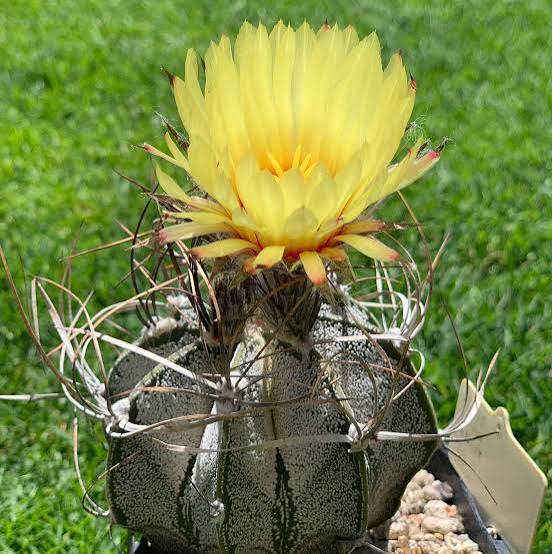
Renowned for their mesmerizing geometric symmetry, stark white flecking, and stunning silk-textured spring blooms, plants in the genus Astrophytum (commonly known as the Star Cactus) are among the most prized specimens in the global succulent community. Native to the arid gravel flats and scrublands of Mexico and southern Texas, these distinctive cacti range from the completely spineless, perfectly circular Astrophytum asterias to the dramatic, twisting columnar ribs of Astrophytum capricorne.
While mature specimen plants can be difficult to find locally and expensive to import, growing Astrophytum from seed is an immensely rewarding horticultural project. Freshly harvested, high-viability seeds germinate reliably within days under controlled indoor conditions, allowing hobbyists to cultivate rare, exhibition-quality specimens from scratch.
Specialized domestic growers like Cactus Kingdom provide seed collectors with hand-sorted, genetically pure, and hybrid Astrophytum strains. In this comprehensive guide, we explore top collector varieties, essential germination techniques, sterile soil mixes, and long-term care strategies.
1. Popular Astrophytum Species & Collector Cultivars Available Online
Selective breeding over decades has produced breathtaking cultivars featuring heavy white flake densities, deep ribs, and striking variegation. Sourcing specialized seed lines lets you grow varieties that rarely appear in commercial garden centres.
| Species / Cultivar | Unique Botanical Characteristics | Seed Germination & Growth Profile |
| Astrophytum asterias (Standard Star Cactus) | Small, flat, spineless body marked by 7 to 10 distinct ribs and delicate white woolly areoles. | Germinates rapidly; requires careful watering balance to prevent damping-off during early seedling stages. |
| Astrophytum asterias cv. “Super Kabuto” | Renowned for dense, complex white speckling patterns that blanket the deep green epidermis. | Highly sought-after collector strain; produces gorgeous geometric variations as seedlings mature. |
| Astrophytum myriostigma (Bishop’s Cap) | Pillar-like or globose form featuring 3 to 5 smooth, prominent ribs heavily dusted with tiny white trichomes. | Extremely hardy and vigorous grower; excellent choice for beginning seed propagators. |
| Astrophytum myriostigma cv. “Onzuka” | Exceptional Japanese selection featuring stark, heavy white V-shaped flecking patterns. | Slow-growing geometric marvel; rewards patience with high-contrast, artistic patterns. |
| Astrophytum capricorne (Goat’s Horn) | Features sweeping, flexible, paper-like curling spines and brilliant yellow flowers with red throats. | Requires bright light early on to encourage tight, robust spine development. |
2. Essential Equipment & Sterile Substrate Preparation
Because cactus seedlings are exceptionally vulnerable to fungal spores and algae during their first few months of life, setting up a sterile environment is the absolute key to success.
                  THE "BAGGY METHOD" GERMINATION SETUP

  [Transparent Zip-Lock Bag] -> Seals in 100% relative humidity
       |
       +--> [Unglazed Pot / Perforated Container]
                 |
                 +--> [Fine Inorganic Seedling Mix (75% Pumice/Turface, 25% Fine Loam)]
                           |
                           +--> [Sterilized via Boiling Water Soak]
                                     |
                                     +--> [Astrophytum Seeds Surface-Sown]
Formulating the Seedling Substrate
Avoid heavy, organic-rich potting soils, which retain too much moisture and host root-rotting pathogens. Create a fine-grade, fast-draining mineral mix:
- 75% Fine Horticultural Pumice or Perlite: Ensures air pockets around developing root systems.
- 15% Calcined Clay (Turface): Retains minimal balanced moisture without becoming soggy.
- 10% Sifted Seedling Compost: Provides a tiny fraction of nutrients for early root anchoring.
Sterilization Protocol
Place your filled seed pots in a tray and pour boiling water through the medium. This kills off weed seeds, fungus gnat larvae, and fungal spores. Allow the soil mix to cool completely before sowing any seeds.
3. Step-by-Step Sowing & The “Baggy Method” Guide
The Baggy Method is the gold standard for starting Astrophytum seeds indoors, maintaining the high humidity needed for germination without constant manual misting.
- Surface Sowing: Evenly scatter your Astrophytum seeds across the cooled, moistened mineral substrate. Do not bury them deeply—cactus seeds need light to trigger germination; simply press them gently into contact with the soil surface.
- Sealing the Micro-Climate: Place the sown pot inside a clean, transparent plastic zip-top bag. Blow a little air into the bag to inflate it like a miniature greenhouse, then seal it shut.
- Optimal Lighting & Temperature: Place the bagged pot under full-spectrum LED grow lights or in bright, indirect window light. Maintain consistent indoor temperatures between 21°C to 27°C.
- Germination Window: Fresh Astrophytum seeds from trusted suppliers like Cactus Kingdom typically sprout within 3 to 10 days.
4. Post-Germination Care, Weaning, and Hardening Off
Once your seedlings emerge as tiny, translucent green spheres, they require patient monitoring over their first year of life.
  +---------------------------------------------------------------+
  |            ASTROPHYTUM SEEDLING TIMELINE & CARE               |
  |                                                               |
  |  Months 1–3  -> Keep sealed in high humidity; bright LED light  |
  |  Months 4–6  -> Gradually introduce fresh air via bag opening   |
  |  Months 6–12 -> Fully unbagged; gentle dry/wet watering cycle |
  |  Year 1+     -> Transpot into individual tiny terracotta pots |
  +---------------------------------------------------------------+
- Gradual Ventilation (Month 3 to 6): Slowly cut a small corner into the plastic bag to lower humidity and introduce air circulation. Over the course of 4 weeks, progressively widen the opening until the bag can be removed entirely.
- Watering Technique: Once unbagged, water your seedlings from the bottom by setting the pot in a shallow tray of water, allowing moisture to wick upward. Let the soil dry completely between waterings.
- First Transplant: At roughly 10 to 12 months of age, individual Astrophytum seedlings can be gently separated and potted into small 2-inch terracotta containers using standard adult mineral cactus soil.
5. Summary of Ordering Astrophytum Seeds from Cactus Kingdom
- Fresh Harvest Viability: Sourced from top-tier mother stock to ensure high germination rates for rare cultivars.
- Extensive Variety Range: Choose from classic Astrophytum asterias, heavily speckled Super Kabuto, and sculptural Myriostigma Onzuka strains.
- Reliable Domestic Shipping: Fast mail-order dispatch across Canada with secure packaging.
- Complete Growing Ecosystem: Pair your seed orders with professional-grade horticultural pumice, calcined clay, and specialized seedling soil amendments directly at Cactus Kingdom.
🙋 Frequently Asked Questions
1. What is the best time of year to sow Astrophytum seeds?
While seeds can be started indoors year-round under grow lights and climate control, early spring is traditionally ideal as natural day lengths and ambient warmth support vigorous seedling acceleration.
2. Should I cover Astrophytum seeds with soil when planting?
No. Astrophytum seeds require light to germinate successfully. Press them firmly onto the surface of damp, sterile mineral mix rather than burying them.
3. Why are my tiny cactus seedlings turning red or purple?
A reddish or purplish tinge usually indicates that the light intensity is too high. Shift your grow lights slightly higher or provide a layer of sheer shade cloth until the seedlings adjust.
4. How long do Astrophytum seeds remain viable?
When stored in a cool, dark, and dry environment (such as an airtight container in a refrigerator), fresh Astrophytum seeds can retain high viability for 2 to 4 years.
5. Where can I buy authentic, rare Astrophytum seeds in Canada?
You can order a wide selection of hand-sorted, high-germination Astrophytum seeds—including Super Kabuto, Kikko, and rare hybrids—directly online from Cactus Kingdom.
