What Kind of Plants Are Cacti? A Complete Guide to These Fascinating Desert Plants
duction
Cacti are some of the most recognizable plants on Earth. Known for their unique shapes, spiny exteriors, and ability to survive in harsh desert environments, these remarkable plants have fascinated gardeners, collectors, and botanists for centuries. What Kind of Plants Are Cacti? A Complete Guide to These Fascinating Desert Plants
But what kind of plants are cacti exactly?
Many people assume all cacti grow in deserts and require little care. While there is some truth to that belief, cacti are far more diverse than most people realize. Today, thousands of cactus species exist across a wide range of habitats, from arid deserts to tropical forests. What Kind of Plants Are Cacti? A Complete Guide to These Fascinating Desert Plants
In this guide, we’ll explore what makes a cactus a cactus, where these plants come from, how they survive extreme conditions, and why they continue to be among the most popular houseplants and landscape plants worldwide.
What Are Cacti?
Cacti are flowering plants belonging to the botanical family Cactaceae.
The cactus family contains more than 1,700 recognized species spread across approximately 127 genera. These plants are classified as succulents because they store water in specialized tissues that help them survive periods of drought.
Unlike most plants, cacti have evolved unique adaptations that allow them to thrive in environments where water is scarce.
Are Cacti Succulents?
One of the most common questions people ask is whether cacti are succulents.
The answer is yes.
All cacti are succulents because they store water in their stems, roots, or tissues.
However, not all succulents are cacti.
Aloe plants, jade plants, echeverias, and agaves are examples of succulents that are not cacti.
What Makes a Cactus Different?
The main characteristic that separates cacti from other succulents is the presence of structures called areoles.
Areoles are small, cushion-like growth points that produce:
- Spines
- Flowers
- Branches
- New stems
Every true cactus has areoles.
Where Do Cacti Come From?
Most cactus species are native to the Americas.
They naturally occur in:
- Mexico
- The United States
- Canada
- Central America
- South America
- The Caribbean
Mexico contains the greatest diversity of cactus species and is often considered the world’s cactus capital. What Kind of Plants Are Cacti? A Complete Guide to These Fascinating Desert Plants
Today, cacti are cultivated globally and can be found in gardens, homes, greenhouses, and botanical collections worldwide.
Why Do Cacti Have Spines?
Many people assume cactus spines exist solely for protection.
While defense is one reason, spines serve several important functions.
Protection From Animals
Spines discourage animals from eating the plant’s water-filled tissues.
Shade and Temperature Control
Dense spines can reduce direct sunlight exposure and help regulate temperature.
Water Conservation
Spines reduce airflow around the plant, minimizing moisture loss through evaporation.
Moisture Collection
Some cactus species can capture dew and condensation using their spines.
How Do Cacti Store Water?
One of the most remarkable features of cacti is their ability to store water.
Their thick stems function as natural reservoirs.
During rainfall, cacti absorb large amounts of water and store it for future use.
These reserves allow many species to survive for weeks or even months without additional water.
Unique Adaptations of Cacti
Thick Water-Storing Stems
Most cactus species have enlarged stems designed to hold moisture.
Reduced Leaves
Many cacti have evolved to replace traditional leaves with spines.
This adaptation dramatically reduces water loss.
Specialized Photosynthesis
Cacti utilize a process called CAM photosynthesis.
This allows them to open their pores at night rather than during the heat of the day, conserving water.
Extensive Root Systems
Many cactus species develop shallow but widespread roots that quickly absorb rainfall.
Types of Cactus Plants
Cacti come in an incredible variety of shapes and sizes.
Barrel Cacti
Barrel cacti are round and cylindrical.
Popular examples include:
- Golden Barrel Cactus
- Fishhook Barrel Cactus
Columnar Cacti
These species grow vertically and can reach impressive heights.
Examples include:
- Saguaro Cactus
- Organ Pipe Cactus
Pad-Forming Cacti
These species develop flat segments known as pads.
Examples include:
- Prickly Pear Cactus
- Bunny Ear Cactus
Climbing and Epiphytic Cacti
Some cactus species grow in tropical forests rather than deserts.
Examples include:
- Christmas Cactus
- Orchid Cactus
- Fishbone Cactus
Do All Cacti Live in Deserts?
No.
While many cactus species inhabit deserts, others thrive in forests, mountains, grasslands, and coastal regions.
Desert Cacti
These species tolerate:
- High temperatures
- Intense sunlight
- Limited rainfall
Tropical Cacti
Tropical species often grow:
- Under tree canopies
- In humid environments
- On tree branches
Christmas Cactus is a well-known example.
Are Cacti Flowering Plants?
Yes.
All cacti are flowering plants.
Many species produce stunning blooms that range in color from white and yellow to red, pink, orange, and purple.
Some flowers last only a single day, while others remain open for several days.
Popular flowering cactus species include:
- Easter Cactus
- Christmas Cactus
- Hedgehog Cactus
- Claret Cup Cactus
Why Are Cacti Popular Houseplants?
Easy Care Requirements
Most cactus species require minimal maintenance.
Drought Tolerance
They can survive occasional neglect better than many houseplants.
Decorative Appeal
Cacti add texture, character, and visual interest to indoor spaces.
Diverse Selection
Thousands of species allow collectors to build unique collections.
How to Care for Cactus Plants
Provide Plenty of Light
Most cacti thrive in bright sunlight.
Use Well-Draining Soil
Cactus soil helps prevent root rot.
Water Sparingly
Allow soil to dry between watering sessions.
Avoid Overwatering
Overwatering remains the most common cause of cactus problems.
Use Proper Containers
Pots with drainage holes promote healthy root development.
Common Myths About Cacti
Myth: All Cacti Need Full Sun
Many species enjoy bright light, but some tropical cacti prefer indirect sunlight.
Myth: Cacti Never Need Water
Even drought-tolerant plants require occasional watering.
Myth: All Cacti Are Desert Plants
Many species originate from tropical and subtropical environments.
Myth: Cacti Grow Very Slowly
Growth rates vary significantly depending on species and conditions.
Why Cacti Continue to Grow in Popularity
Cacti offer a unique combination of beauty, durability, and simplicity.
Modern homeowners appreciate:
- Low-maintenance care
- Unique aesthetics
- Indoor growing potential
- Water efficiency
- Long lifespan
As interest in houseplants continues to grow, cacti remain among the most sought-after plant groups worldwide.
Explore Cactus Plants at Cacti Kingdom
Whether you’re a beginner searching for your first cactus or a collector seeking rare specimens, Cacti Kingdom offers a growing selection of cactus varieties for enthusiasts throughout Canada and the United States.
Browse our collection to discover unique species, decorative favorites, and fascinating additions to your cactus collection.
Visit https://cactikingdom.com/ to explore available plants and learn more about the incredible world of cacti.
Conclusion
Cacti are a remarkable group of flowering succulent plants that belong to the Cactaceae family. Their ability to store water, survive drought, and thrive in challenging environments has made them one of the most successful plant families on Earth.
From towering desert giants to colorful indoor varieties, cacti offer incredible diversity and beauty. Understanding what kind of plants cacti are helps gardeners appreciate their unique adaptations and care requirements.
Whether grown indoors or outdoors, these fascinating plants continue to capture the attention of plant lovers around the world.
Frequently Asked Questions
What kind of plant is a cactus?
A cactus is a flowering succulent plant belonging to the Cactaceae family.
Are all cacti succulents?
Yes. All cacti are succulents because they store water, but not all succulents are cacti.
What makes a cactus different from other plants?
The presence of areoles, which produce spines, flowers, and new growth, uniquely identifies cacti.
Do cacti grow flowers?
Yes. Every cactus species is capable of producing flowers.
Are all cacti native to deserts?
No. Many cactus species naturally grow in forests, mountains, and tropical environments.
Why do cacti have spines?
Spines help protect the plant, conserve water, regulate temperature, and collect moisture.
Can cacti grow indoors?
Yes. Many species make excellent indoor plants when provided with adequate light.
How long do cactus plants live?
Many cactus species can live for decades, and some may survive for over a century in ideal conditions.
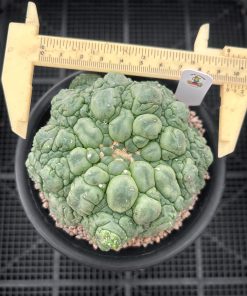
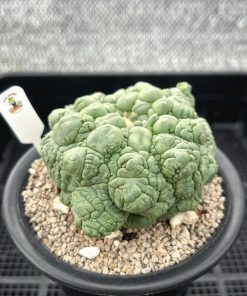
new cactus canada
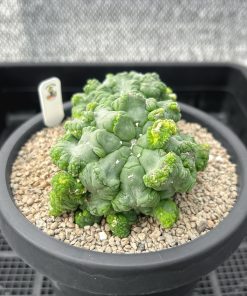
Buy Astrophytum Asterias Lizard Cristata in Canada | Cacti Kingdom
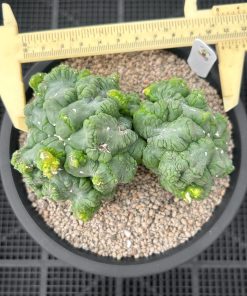
new cactus canada
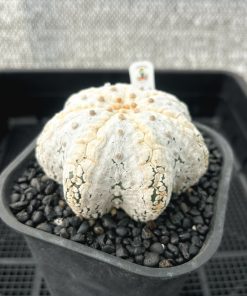
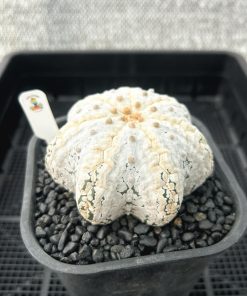
Buy Astrophytum Asterias Lizard Twin in Canada | Cacti Kingdom
new cactus canada
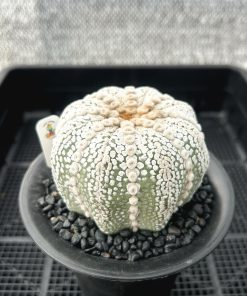
Buy Astrophytum Asterias Snow Star Shape in Canada | Cacti Kingdom
new cactus canada
Buy Astrophytum Asterias Super Rensei in Canada | Cacti Kingdom
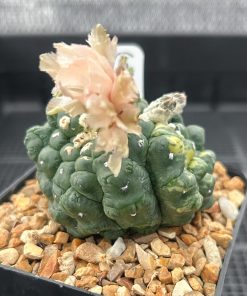
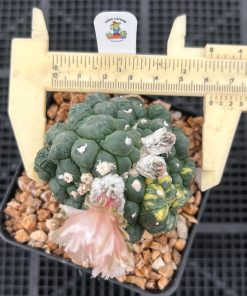
new cactus canada
buy Astrophytum Asterias Kikko Lizard Cristata Var in Canada
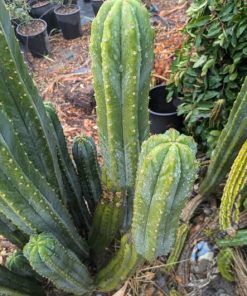
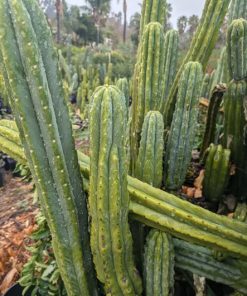
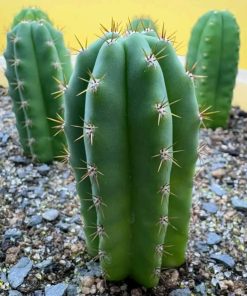
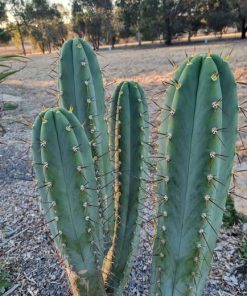
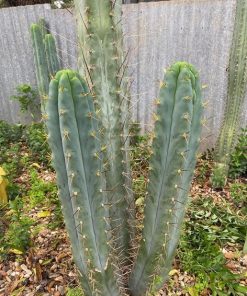
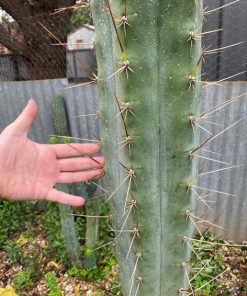
Trichocereus
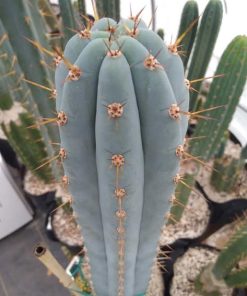
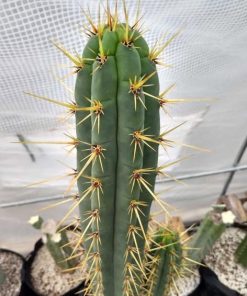
Trichocereus
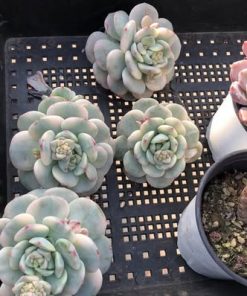
Succulents
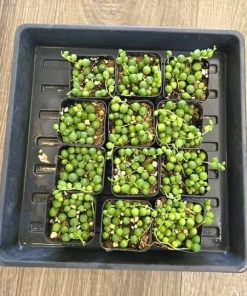
Succulents
Succulents
Succulents
Succulents
Succulents
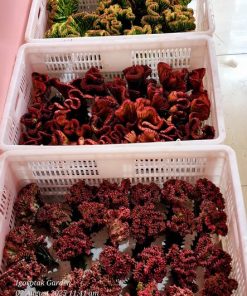
Succulents
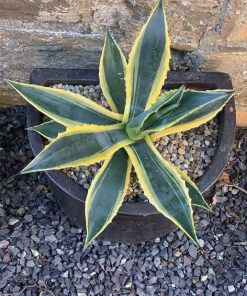
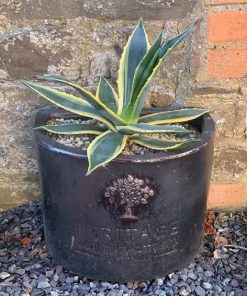
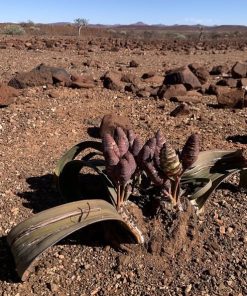
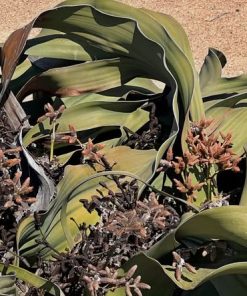
Succulent and Mesemb Seeds
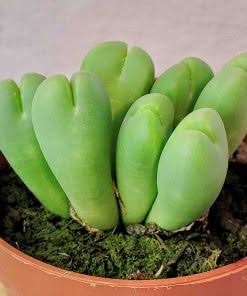
Succulent and Mesemb Seeds
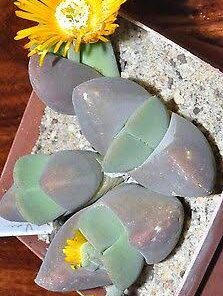
Succulent and Mesemb Seeds
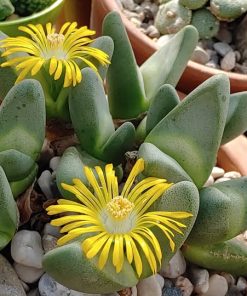
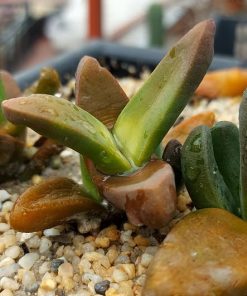
Succulent and Mesemb Seeds
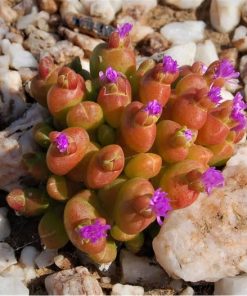
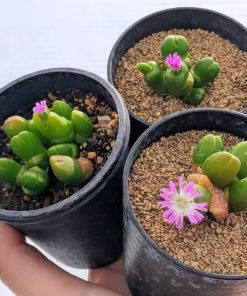
Succulent and Mesemb Seeds
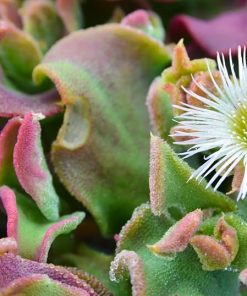
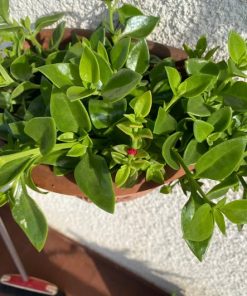
Succulent and Mesemb Seeds
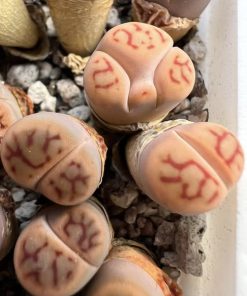
Succulent and Mesemb Seeds
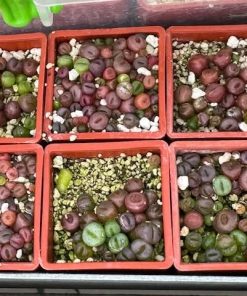
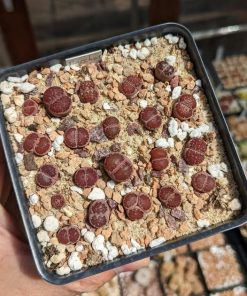
Succulent and Mesemb Seeds
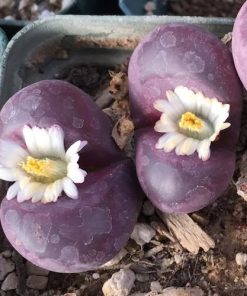
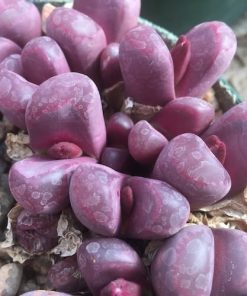
Succulent and Mesemb Seeds
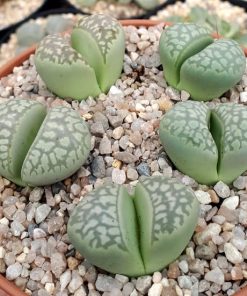
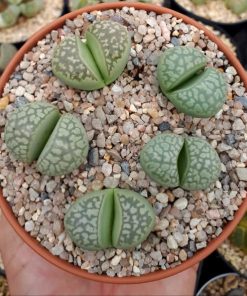
Succulent and Mesemb Seeds
Succulent and Mesemb Seeds
Succulent and Mesemb Seeds
Succulent and Mesemb Seeds

Succulent and Mesemb Seeds
Succulent and Mesemb Seeds
Succulent and Mesemb Seeds
Succulent and Mesemb Seeds
Succulent and Mesemb Seeds
Succulent and Mesemb Seeds
Succulent and Mesemb Seeds
Succulent and Mesemb Seeds
Succulent and Mesemb Seeds
Succulent and Mesemb Seeds
Succulent and Mesemb Seeds
Pleiospilos Nelii cv. Royal Flush | Royal Flush Succulent Seeds
Succulent and Mesemb Seeds
Succulent and Mesemb Seeds
Succulent and Mesemb Seeds
Succulent and Mesemb Seeds
Succulent and Mesemb Seeds
Succulent and Mesemb Seeds
Succulent and Mesemb Seeds
Succulent and Mesemb Seeds
Succulent and Mesemb Seeds
Succulent and Mesemb Seeds
Succulent and Mesemb Seeds
Succulent and Mesemb Seeds
Succulent and Mesemb Seeds
Succulent and Mesemb Seeds
Succulent and Mesemb Seeds
Succulent and Mesemb Seeds
Succulent and Mesemb Seeds
Succulent and Mesemb Seeds
Succulent and Mesemb Seeds
Succulent and Mesemb Seeds
Succulent and Mesemb Seeds
Succulent and Mesemb Seeds
Succulent and Mesemb Seeds
Succulent and Mesemb Seeds
Succulent and Mesemb Seeds
Succulent and Mesemb Seeds
Succulent and Mesemb Seeds
Succulent and Mesemb Seeds
Succulent and Mesemb Seeds
Succulent and Mesemb Seeds
Succulent and Mesemb Seeds
Succulent and Mesemb Seeds
Succulent and Mesemb Seeds
Mammillaria Cactus Seeds
Mammillaria Cactus Seeds
Lophophora Cactus Seeds
Lophophora Cactus Seeds
Lophophora Cactus Seeds
Lophophora Cactus Seeds
Lophophora Cactus Seeds
Lophophora Cactus Seeds
Lophophora Cactus Seeds
Lophophora Cactus Seeds
Lophophora Cactus Seeds
Lophophora Cactus Seeds
Lophophora Cactus Seeds
Lophophora Cactus Seeds
Lophophora Cactus Seeds
Lophophora Cactus Seeds
Lophophora Cactus Seeds
Lophophora Cactus Seeds
Lophophora Cactus Seeds
Lophophora Cactus Seeds
Lophophora Cactus Seeds
Lophophora Cactus Seeds
Lophophora Cactus Seeds
Lophophora Cactus Seeds