
Euphorbia Lactea
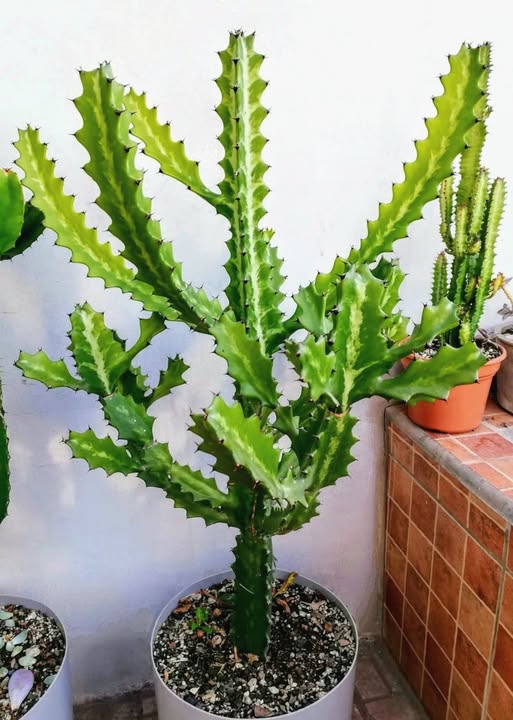
Euphorbia lactea, commonly known as the Mottled Spurge or Dragon Bones Plant, is a spectacular succulent shrub admired for its unique branching structure and distinctive marbled stems. Native to tropical regions of Asia, this ornamental species has become a favorite among collectors and interior plant enthusiasts thanks to its bold architectural form and low-maintenance nature.
Unlike true cacti, Euphorbia lactea belongs to the Euphorbiaceae family. Although it shares many similarities with cacti, including drought tolerance and succulent stems, it is botanically different and produces a characteristic white latex sap if cut or damaged.
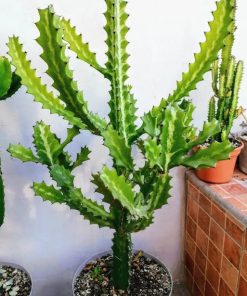
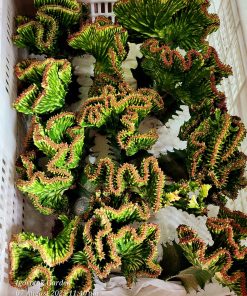
The plant develops upright, three- to four-angled branches with wavy ridges lined by small paired spines. Its rich green stems are beautifully marbled with lighter green or creamy white patterns, creating an eye-catching appearance that complements both minimalist and tropical plant collections. As the plant matures, it forms an impressive upright specimen with multiple branching arms that resemble natural sculpture.
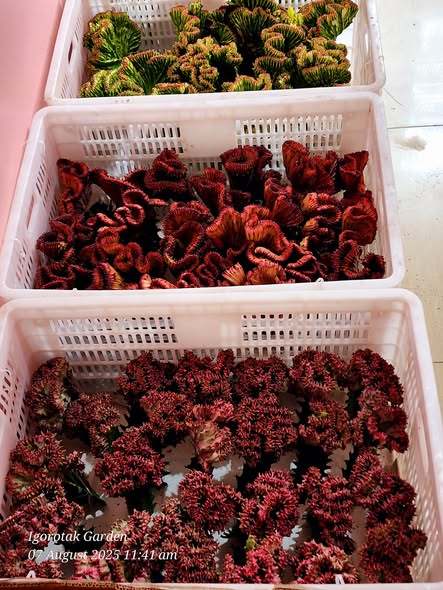
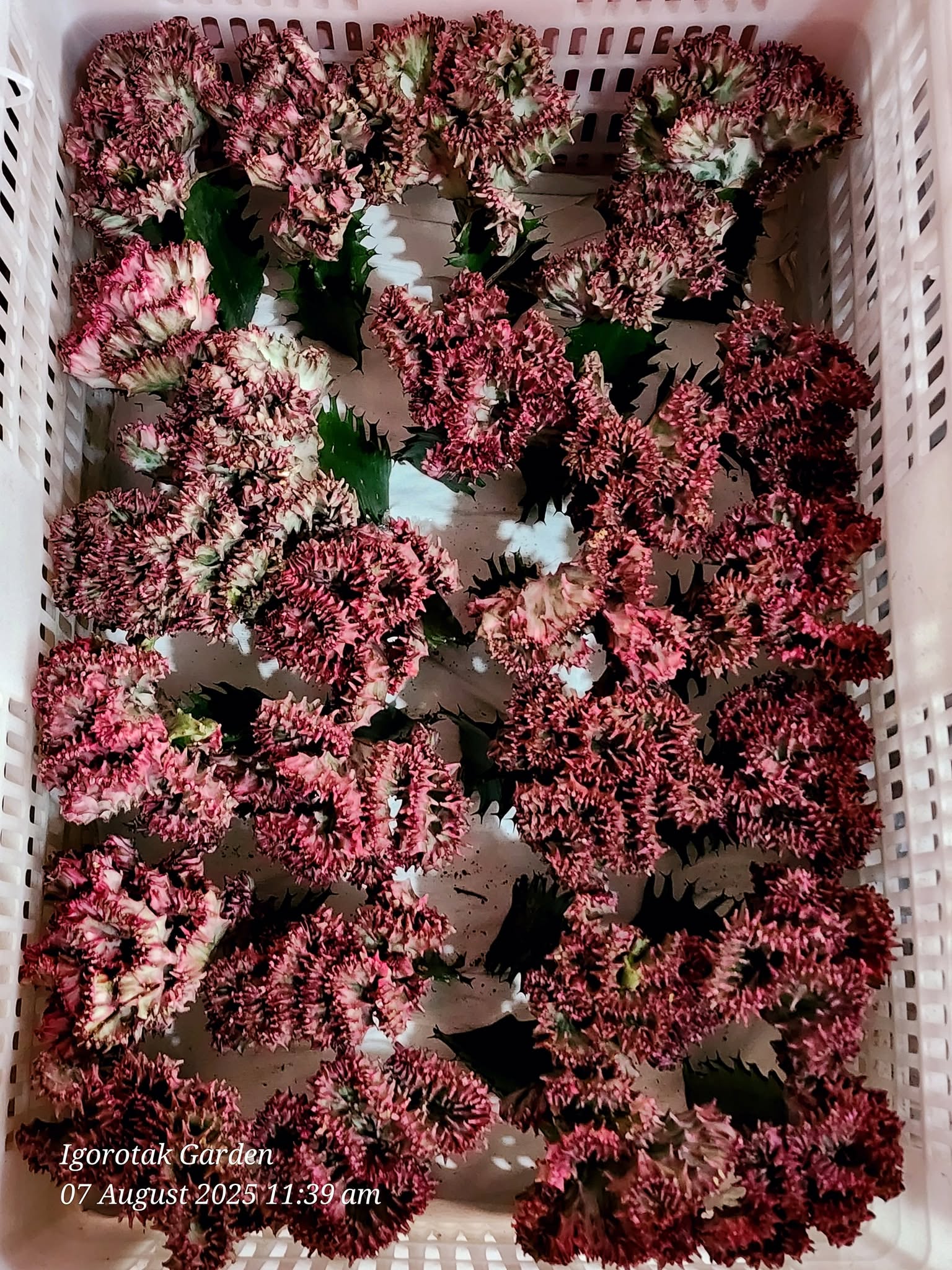
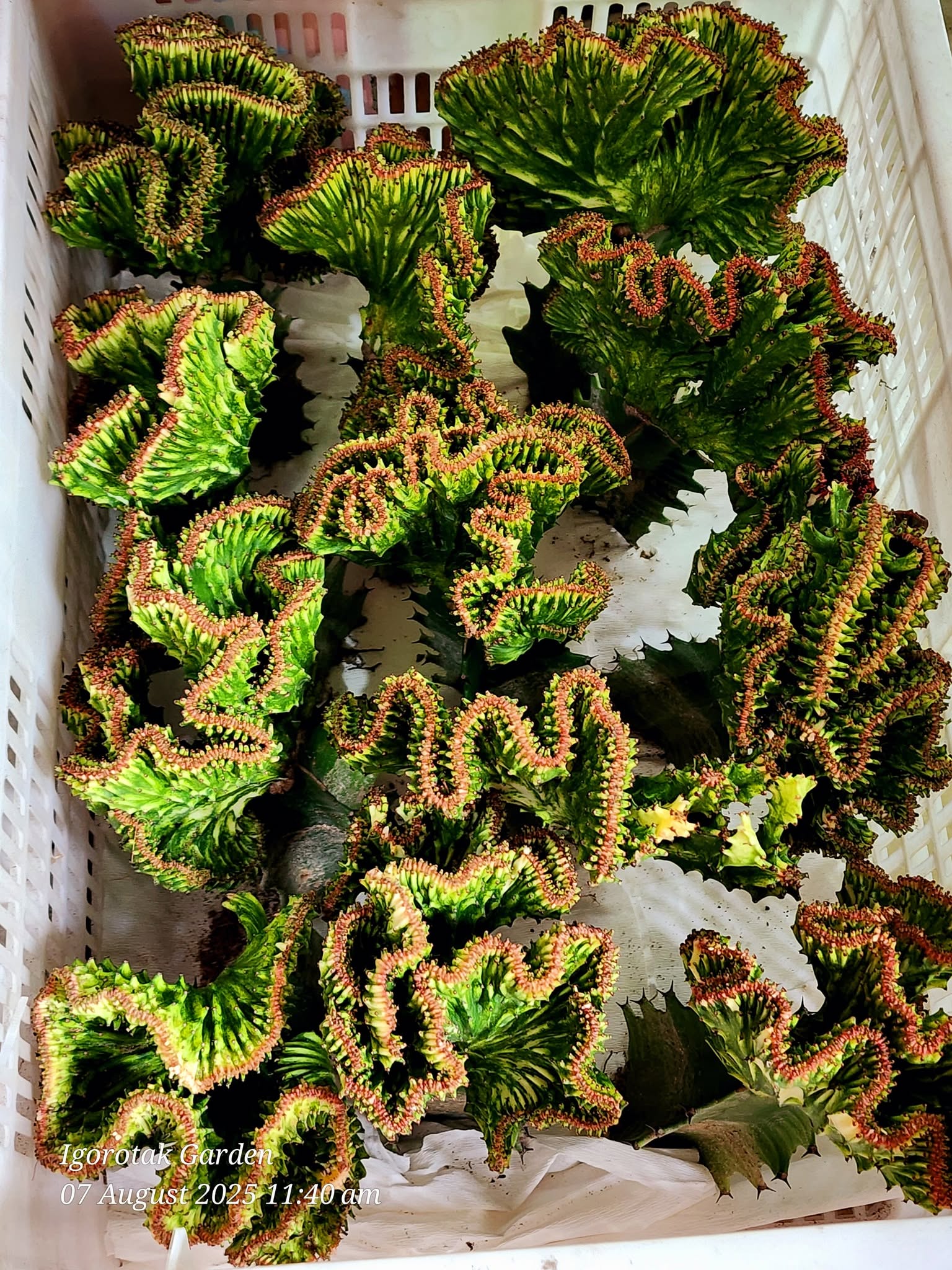
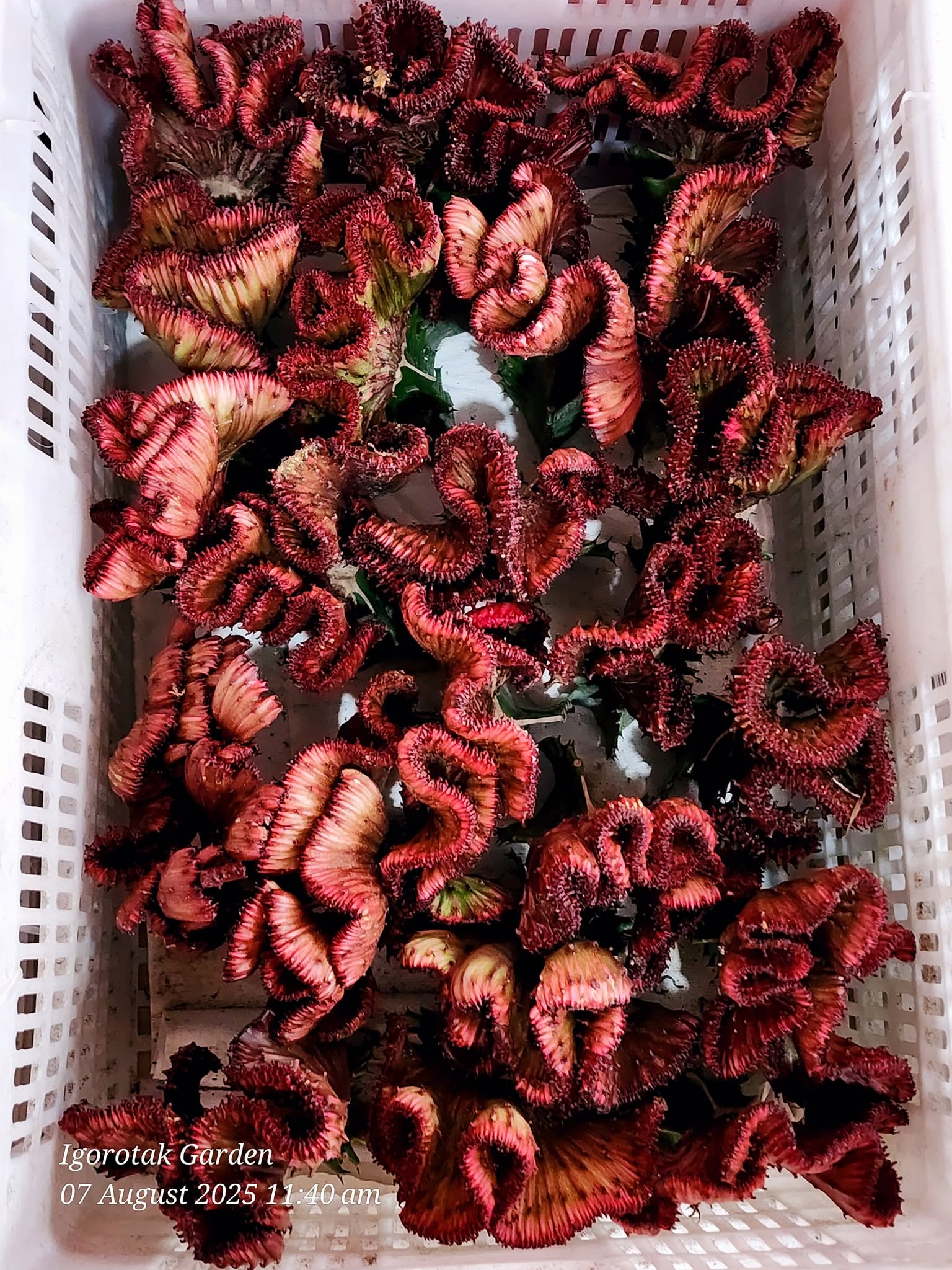
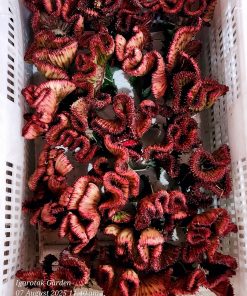
One of the most popular features of Euphorbia lactea is its versatility. It makes an outstanding standalone statement plant in decorative containers and is equally attractive when paired with other succulents and caudiciforms. Certain cultivars, including the famous crested forms, are commonly grafted onto vigorous rootstocks, though the standard species is equally valued for its elegant natural growth habit.
With proper care, Euphorbia lactea is a long-lived plant that provides year-round interest through its striking stems and sculptural silhouette.
Why Grow Euphorbia Lactea?
Dramatic Architectural Form
Its upright branching stems create a bold, sculptural appearance that stands out in any succulent collection.
Attractive Marbled Stems
The naturally mottled green and cream coloration gives every plant unique visual appeal.
Low-Maintenance Plant
Once established, Euphorbia lactea is easy to care for and thrives with minimal watering.
Key Features
Unique Succulent Structure
Unlike leafy houseplants, Euphorbia lactea showcases its beauty through thick, angular stems that remain attractive throughout the year.
Excellent Indoor Specimen
Its upright growth makes it an ideal choice for bright living rooms, offices, sunrooms, and conservatories.
Long-Lived Collector Plant
With proper care, Euphorbia lactea can thrive for many years, gradually becoming larger and more impressive.
Growing Guide
Light Requirements
Provide bright indirect light or several hours of direct morning or afternoon sun. Adequate light encourages compact growth and vibrant stem coloration.
Watering
Allow the soil to dry completely between watering sessions. Reduce watering during cooler months when growth naturally slows.
Soil and Containers
Use a fast-draining cactus or succulent mix in a pot with drainage holes. Good drainage is essential for maintaining healthy roots.
Note: Like other Euphorbia species, Euphorbia lactea produces a milky white latex sap that can irritate the skin and eyes. Handle the plant with care, and keep it away from children and pets.
Perfect for Every Collection
Succulent Collectors
Its unusual growth habit and marbled stems make Euphorbia lactea a standout addition to any succulent collection.
Modern Interior Décor
The plant’s clean architectural lines complement contemporary homes, offices, and minimalist interiors.
Rare Plant Enthusiasts
Collectors appreciate its distinctive appearance, longevity, and compatibility with other drought-tolerant plants.
Frequently Asked Questions
Is Euphorbia lactea a cactus?
No. Although it resembles a cactus, Euphorbia lactea belongs to the Euphorbiaceae family and is not a true cactus.
Can Euphorbia lactea be grown indoors?
Yes. It grows exceptionally well indoors when placed in a bright location with excellent drainage.
Does Euphorbia lactea need frequent watering?
No. Like most succulents, it prefers the soil to dry completely between watering sessions.
Is Euphorbia lactea safe to handle?
The plant contains a milky latex sap that may irritate skin and eyes. It is best to wear gloves when pruning or repotting.
What soil is best for Euphorbia lactea?
A fast-draining cactus or succulent soil mix with excellent drainage is ideal for healthy growth.
| Size | Small, Large |
|---|
Be the first to review “Euphorbia Lactea”
Related products

Big Cactus for Sale in Canada
Big Cactus for Sale in Canada
Big Cactus for Sale in Canada
Trichocereus Bridgesii | Bolivian Torch Cactus | Echinopsis Lageniformis
Collector Cactus
In Stock Live Cacti and Succulents
Succulents
In Stock Live Cacti and Succulents
Reviews
There are no reviews yet.