Stapelia | Orbea | Huernia Species
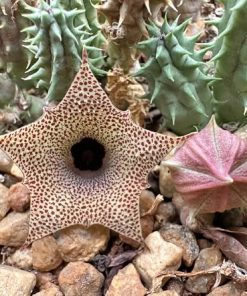
Stapelia, Orbea, and Huernia are among the most unusual and captivating succulents in the plant world. Native primarily to southern and eastern Africa, these fascinating genera are celebrated for their distinctive stem structures and extraordinary star-shaped flowers. Often referred to as carrion flower succulents, they have become favorites among collectors seeking rare, conversation-worthy plants.
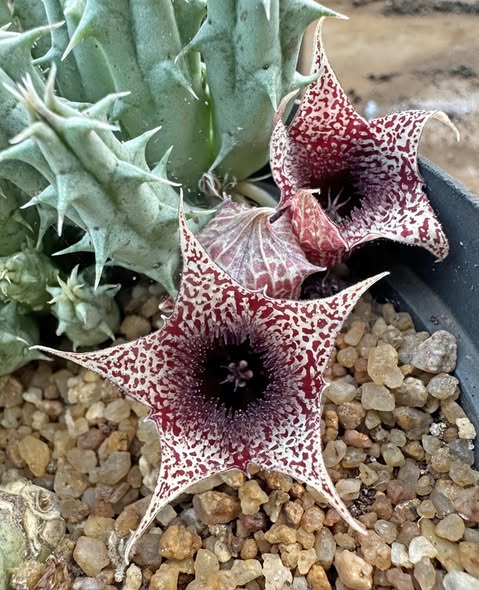
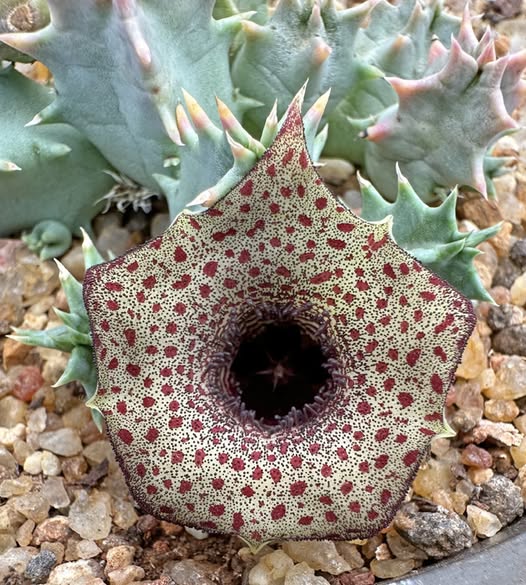
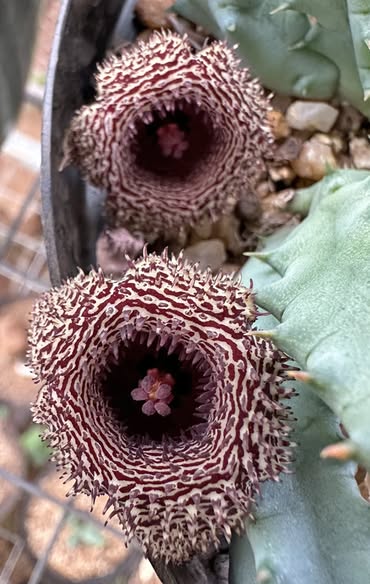
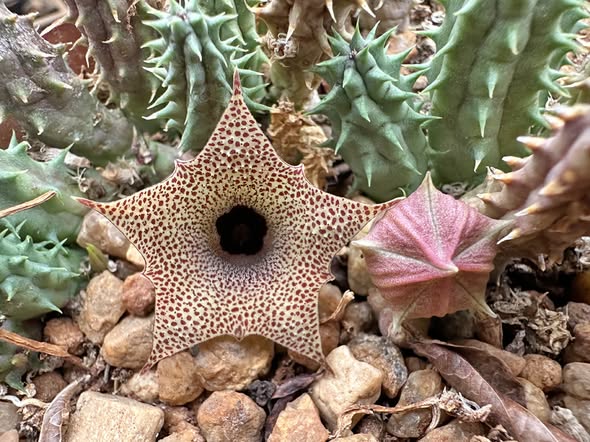
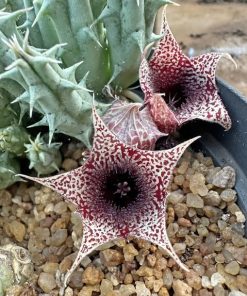
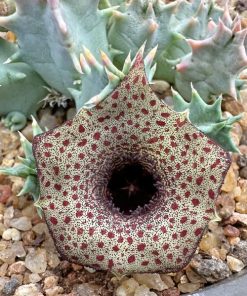
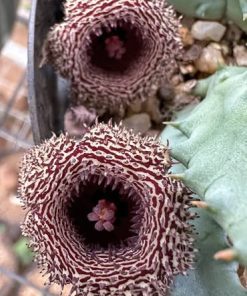
Unlike traditional succulents that are grown mainly for colorful foliage, these species are prized for their spectacular blooms. Depending on the species, flowers can be small and delicate or exceptionally large, displaying intricate patterns, spots, stripes, and textures in shades of cream, yellow, red, burgundy, brown, purple, and nearly black. Many flowers feature fine hairs and striking surface details that make them appear almost lifelike.
The unusual flowers have evolved to attract flies for pollination by mimicking the appearance of decaying organic matter. While some species produce a noticeable scent during flowering, others have only a mild fragrance or very little scent at all. Bloom duration and fragrance intensity vary considerably depending on the individual species.
The stems are equally attractive, forming clusters of upright or spreading four-angled succulent stems with soft teeth along the edges. As plants mature, they develop dense clumps that become increasingly ornamental and produce larger floral displays year after year.
Whether you’re an experienced collector or new to unusual succulents, Stapelia, Orbea, and Huernia species offer an unforgettable combination of botanical curiosity, architectural beauty, and remarkable diversity.
Why Choose Stapelia, Orbea, and Huernia?
Extraordinary Flowers
Few succulents produce blooms as dramatic and intricate as these African species, making them true collector’s plants.
Easy to Grow
Most species are relatively low maintenance when provided with bright light, proper drainage, and careful watering.
Ideal for Collectors
Their incredible diversity of flower shapes, colors, and stem forms makes them essential additions to rare succulent collections.
Key Features
Fascinating Star-Shaped Blooms
Flowers range from compact blossoms to oversized star-shaped displays featuring unique textures and striking patterns.
Attractive Clumping Growth
Plants gradually spread into dense clusters that become increasingly impressive with age.
Compact Size
Most species remain manageable in containers, making them ideal for windowsills, greenhouses, patios, and indoor collections.
Growing Guide
Light Requirements
Provide bright indirect light or several hours of gentle direct morning sunlight. Good lighting promotes compact growth and encourages flowering.
Watering
Allow the soil to dry completely between watering sessions. During cooler months or dormancy, reduce watering to prevent excessive moisture around the roots.
Soil and Containers
Plant in a fast-draining cactus or succulent mix using containers with drainage holes. Excellent drainage is essential for long-term plant health.
Perfect for Succulent Collections
Rare Plant Enthusiasts
Stapelia, Orbea, and Huernia are prized for their extraordinary flowers and unusual growth habits.
Indoor Growing
Their compact growth makes them excellent choices for bright windows, plant shelves, and indoor succulent displays.
Unique Gifts
These fascinating succulents make memorable gifts for collectors, gardeners, and anyone who appreciates rare botanical specimens.
Frequently Asked Questions
What is the difference between Stapelia, Orbea, and Huernia?
They are closely related succulent genera that share similar growth habits but differ in flower shape, stem characteristics, and species diversity.
Why are they called carrion flowers?
Many species produce flowers that mimic decaying organic matter to attract flies, which serve as their natural pollinators.
Can these succulents be grown indoors?
Yes. They thrive indoors when provided with bright light, good airflow, and well-draining soil.
Do all species produce strong odors?
No. While some species produce a noticeable scent during flowering, many have only a mild odor or virtually no detectable fragrance.
What soil is best for Stapelia, Orbea, and Huernia?
A fast-draining cactus or succulent mix with excellent drainage is ideal for healthy growth and flowering.
| Type | Huernia, Obea, Stapelia, Cutting, Gigantea mini, Mix |
|---|
Be the first to review “Stapelia | Orbea | Huernia Species”
Related products
In Stock Live Cacti and Succulents
Succulents

Big Cactus for Sale in Canada
Cold Hardy for Sale in Canada
Collector Cactus
Succulents
Reviews
There are no reviews yet.