
Lithops Schwantesii Seeds
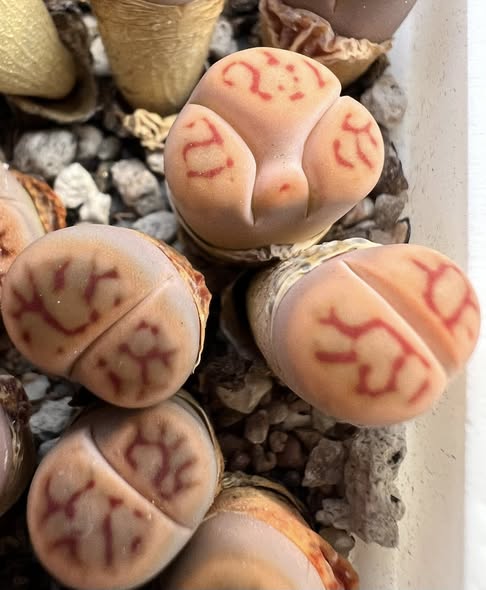
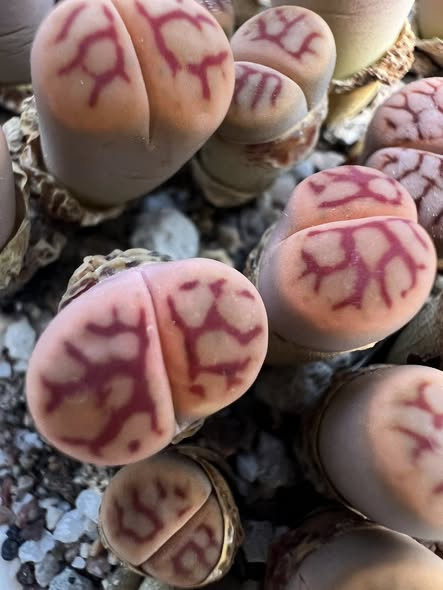
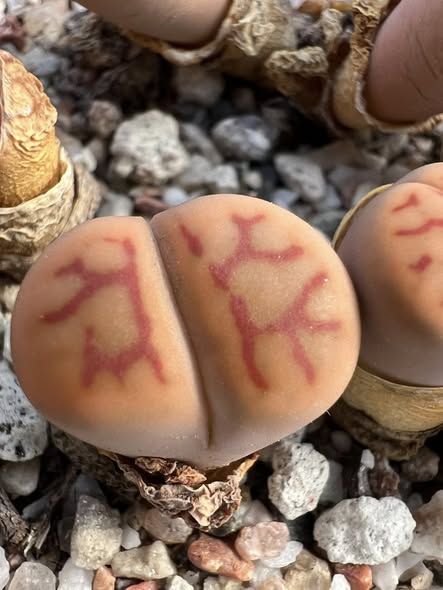
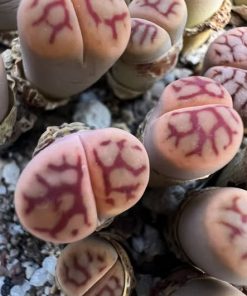
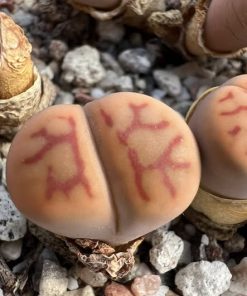
Lithops schwantesii is one of the most distinctive and highly sought-after species in the famous Living Stone group of succulents. Native to the arid regions of Namibia, this remarkable mesemb is prized for its incredible camouflage, unusual leaf patterns, and seasonal daisy-like flowers that emerge directly from the center of its stone-like body.
Like all Lithops, Lithops schwantesii consists of a single pair of thick, fused leaves that resemble small pebbles or stones. This adaptation allows the plant to blend seamlessly into its natural rocky habitat, reducing water loss and protecting it from grazing animals. The surface of each plant varies widely, displaying intricate markings, translucent “windows,” and subtle patterns in shades of gray, brown, beige, green, and occasionally reddish tones.
Each individual plant is unique, making Lithops schwantesii especially popular among collectors who value variation and natural artistry. As the plant matures, it gradually produces new leaf pairs, with the old leaves drying and being replaced in a continuous growth cycle that is both slow and fascinating to observe.
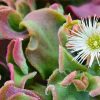
During the flowering season, mature Lithops schwantesii produce bright daisy-like blooms that emerge from the central fissure between the leaves. Flowers are typically yellow or white and can be surprisingly large compared to the plant body, creating a striking contrast against the muted stone-like foliage.
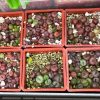
Growing Lithops schwantesii from seed offers a rewarding long-term experience, allowing growers to observe every stage of development from tiny seedlings to mature flowering specimens.
Why Grow Lithops Schwantesii?
Highly Collectible Living Stone
This species is one of the most admired Lithops for its intricate patterns and natural variation.
Unique Camouflage Patterns
Each plant resembles a miniature stone with distinctive markings and coloration.
Long-Lived and Fascinating
Lithops grow slowly but can live for many years with proper care, gradually forming clusters over time.
Key Features
Natural Stone-Like Appearance
Perfect camouflage helps the plant blend into its rocky desert environment.
Bright Seasonal Flowers
Mature plants produce vivid daisy-like blooms that appear in autumn or early winter.
Compact Growth Habit
Ideal for small containers, succulent trays, and miniature desert landscapes.
Growing Guide
Seed Germination
Sow seeds on the surface of a sterile, well-draining mesemb soil mix. Maintain temperatures between 18°C and 24°C with bright indirect light and consistent humidity during germination.
Watering
Keep the soil lightly moist during germination. Once established, water very sparingly and always allow the soil to dry completely between watering cycles.
Soil and Containers
Use a mineral-rich, fast-draining cactus or mesemb mix in shallow pots with drainage holes. Excellent drainage is essential for healthy root development.
Perfect for Every Collection
Lithops Enthusiasts
Lithops schwantesii pairs beautifully with other living stones such as Lithops julii, Lithops karasmontana, and Lithops optica.
Indoor Succulent Displays
Its compact size makes it ideal for bright windowsills, trays, and minimalist plant arrangements.
Rare Plant Collectors
Collectors value its striking patterns, slow growth, and long-term developmental interest.
Frequently Asked Questions
What is Lithops schwantesii?
It is a species of Lithops, commonly called a living stone, native to Namibia and known for its patterned stone-like appearance.
How long do Lithops take to grow from seed?
Lithops are slow-growing and typically take several years to reach maturity and flowering size.
Do Lithops schwantesii flower?
Yes. Mature plants produce daisy-like flowers, usually yellow or white, during the flowering season.
Can Lithops be grown indoors?
Yes. They thrive indoors in bright light conditions with very careful watering.
What soil is best for Lithops schwantesii?
A fast-draining, mineral-rich mesemb or cactus soil mix is essential for healthy growth.
| Quantity | 10, 25, 50, 100, 250 |
|---|
Be the first to review “Lithops Schwantesii Seeds”
Related products
Ariocarpus for Sale in Canada

Astrophytum Seeds for Sale in Canada
Copiapoa
Ariocarpus for Sale in Canada
Ariocarpus for Sale in Canada
Ariocarpus for Sale in Canada
Ariocarpus for Sale in Canada
Ariocarpus for Sale in Canada
Reviews
There are no reviews yet.