
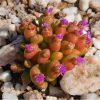

Mesembryanthemum Crystallinum Seeds
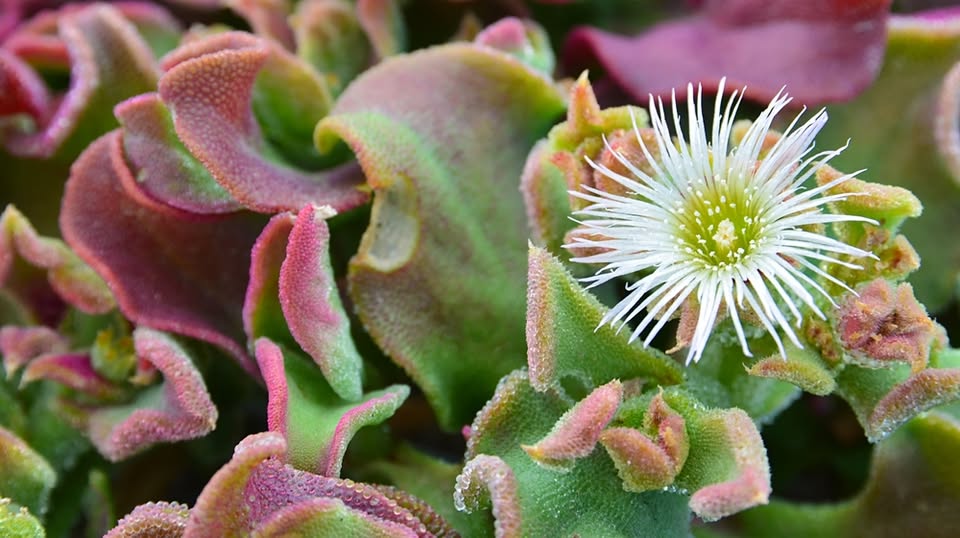
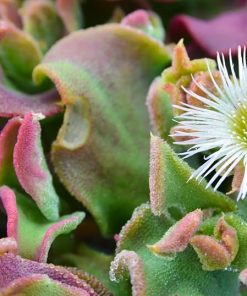
Mesembryanthemum crystallinum, commonly known as the Common Ice Plant or Crystalline Ice Plant, is one of the most fascinating succulent species in the Aizoaceae family. Native to southern Africa and naturalized in many coastal regions worldwide, this remarkable annual succulent is famous for its shimmering foliage, which appears to be covered in tiny ice crystals.
The sparkling appearance comes from specialized bladder cells that cover the leaves and stems. These water-filled cells reflect sunlight, giving the plant a frosted, crystalline look while helping it conserve moisture and tolerate harsh environmental conditions. This unique adaptation has made Mesembryanthemum crystallinum a favorite among succulent enthusiasts, botanists, and ornamental gardeners.
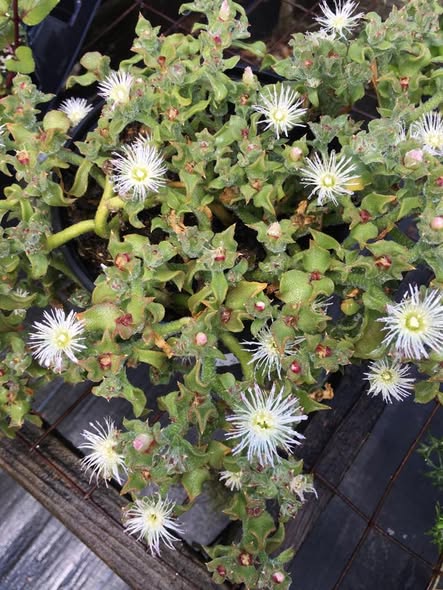
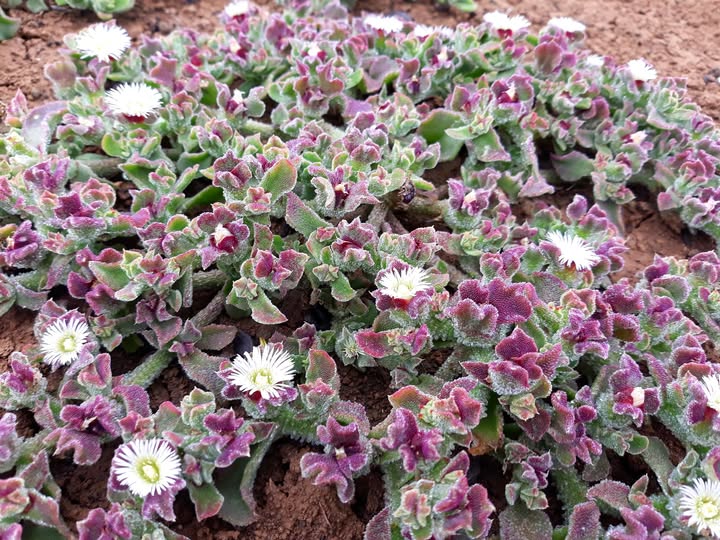
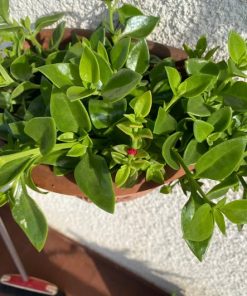
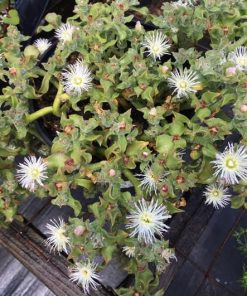
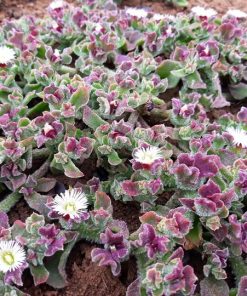
The plant forms a spreading mat of fleshy, bright green leaves that may develop reddish or pinkish tones when exposed to strong sunlight or environmental stress. During the flowering season, mature plants produce attractive daisy-like blooms in shades of white, pale pink, or light purple, opening in bright sunlight and adding vibrant color to the landscape.
Unlike many succulents, Mesembryanthemum crystallinum is an annual species, completing its life cycle within a single growing season while producing abundant seeds for future generations. It is appreciated not only for its ornamental beauty but also because the young leaves are edible and have a mild, slightly salty flavor, making them popular in specialty salads and gourmet cuisine.
Growing Mesembryanthemum crystallinum from seed is easy and rewarding, making it an excellent choice for beginners and experienced growers alike.
Why Grow Mesembryanthemum Crystallinum?
Unique Crystal-Like Foliage
The glittering bladder cells create one of the most distinctive appearances found in the succulent world.
Easy to Grow
This species germinates readily and grows quickly, making it suitable for gardeners of all experience levels.
Ornamental and Edible
Young leaves are edible, while the sparkling foliage and colorful flowers provide outstanding ornamental value.
Key Features
Sparkling Ice Plant Appearance
Tiny water-filled cells give the foliage a shimmering, frosted look throughout the growing season.
Attractive Daisy-Like Flowers
Mature plants produce delicate blooms that open in sunlight and attract pollinators.
Excellent Drought Tolerance
Once established, the plant performs well in dry conditions and well-drained soils.
Growing Guide
Seed Germination
Sow seeds on the surface of a well-draining seed-starting mix and lightly press them into the soil. Provide bright light and maintain temperatures between 18°C and 24°C for optimal germination.
Watering
Keep the soil lightly moist during germination. Once established, water moderately and allow the soil surface to dry slightly between watering.
Soil and Containers
Use a fast-draining cactus or sandy potting mix. The plant grows well in containers, raised beds, rock gardens, and sunny borders.
Perfect for Every Collection
Succulent Enthusiasts
Its sparkling foliage makes it a unique addition alongside Lithops, Conophytum, Delosperma, and other members of the Aizoaceae family.
Edible Gardens
Young leaves can be harvested for fresh culinary use, offering both ornamental beauty and practical value.
Pollinator-Friendly Landscapes
The colorful flowers help attract bees and other beneficial pollinating insects during the growing season.
Frequently Asked Questions
Why is it called the Ice Plant?
Its leaves and stems are covered with transparent bladder cells that resemble tiny ice crystals.
Is Mesembryanthemum crystallinum edible?
Yes. The young leaves are edible and are commonly used fresh in salads and other culinary dishes.
Is it a perennial succulent?
No. Mesembryanthemum crystallinum is generally grown as an annual, completing its life cycle in one growing season.
Can it be grown indoors?
Yes. It can be grown in bright indoor locations, although it performs best with abundant sunlight and good airflow.
What soil is best for Mesembryanthemum crystallinum?
A well-draining sandy or cactus soil mix provides the ideal conditions for healthy growth.
| Quantity | 10, 25, 50, 100 |
|---|
Be the first to review “Mesembryanthemum Crystallinum Seeds”
Related products

Ariocarpus for Sale in Canada
Ariocarpus for Sale in Canada
Ariocarpus for Sale in Canada
Ariocarpus for Sale in Canada
Cold Hardy for Sale in Canada
Copiapoa
Ariocarpus for Sale in Canada
Ariocarpus for Sale in Canada
Reviews
There are no reviews yet.