
Uncategorized
Lost Label Cactus: How to Identify, Care for, and Enjoy an Unnamed Plant in Canada
Nov
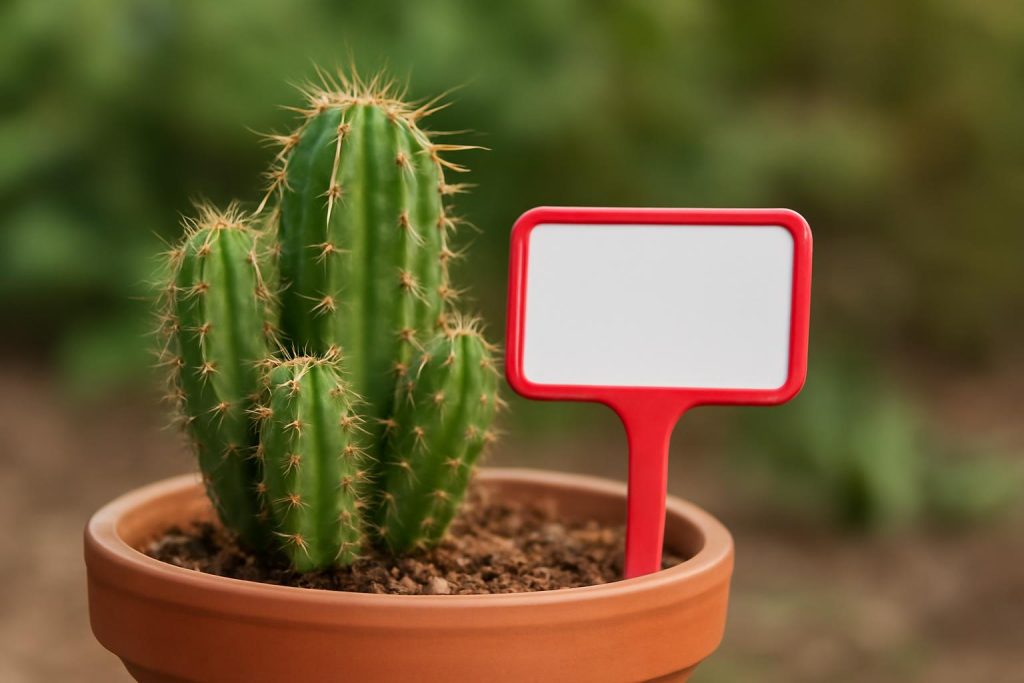
A cactus without a label can be both exciting and challenging. You may have received it as a gift, inherited it from another grower, bought it in a mixed grouping, or discovered that its tag faded over time. Whatever the origin, a lost label cactus in Canada does not need to remain a mystery forever.
Correct identification is useful, but it is not the first priority. A cactus can stay healthy while you investigate its identity. Begin with cautious care, observe its growth over time, and avoid making confident claims based on a single photograph or one visible feature. Many unrelated cacti share similar shapes, spines, flowers, and colours.
This guide explains how to examine an unnamed cactus, narrow down its possibilities, care for it safely, and document what you learn. It also covers the limitations of online identification and how to build a thoughtful collection when a plant’s exact name cannot be confirmed.
What is a lost label cactus?
A lost label cactus is a plant whose original identification tag is missing, damaged, inaccurate, or no longer connected to the correct pot. The term can describe anything from a common nursery cactus to a rare collector specimen such as an Astrophytum, Ariocarpus, Mammillaria, or Trichocereus.
Sometimes the label is not technically lost but incomplete. A tag may say only “barrel cactus,” “San Pedro,” “Mammillaria mix,” or “unknown seedling.” These descriptions can provide clues, but they are not necessarily a botanical identification.
For collectors, an uncertain name affects the value and history of a plant. For home growers, it mainly affects care decisions. Light tolerance, winter dormancy, watering preferences, mature size, and cold sensitivity can vary considerably between species.
Why identifying an unnamed cactus can be difficult
Cactus identification is rarely as simple as matching a plant to a picture. Plants change as they mature, and growing conditions can alter their appearance. A cactus grown in low light may become elongated, while one exposed to intense light may develop stronger colour, denser spines, or a more compact form.
Young plants are particularly difficult to identify. Seedlings may not yet show their adult ribs, tubercles, spine structure, or flowering characteristics. Hybrids and cultivated forms add another layer of uncertainty because they may not match a standard species description.
Photography can also be misleading. Camera angle, pot size, seasonal colour, and lighting can make the same cactus appear taller, rounder, darker, or more heavily spined than it really is. A reliable identification should be based on several characteristics and, where possible, a known origin.
Start with a careful visual inventory
Before searching through plant databases or asking a collector community, write down what you can observe. A detailed inventory is more useful than a general description such as “small round cactus.”
Record the overall growth form
- Shape: Is the plant globular, barrel-shaped, columnar, creeping, clumping, or flattened?
- Growth habit: Does it grow alone, produce offsets, or branch from the base?
- Size: Measure the height and width without including the pot.
- Colour: Note whether the body is green, blue-green, grey, reddish, or covered by a white coating.
- Surface: Look for ribs, tubercles, patterned markings, wool, scales, or a smooth epidermis.
Examine the spines and areoles
Spines are important clues, but they should be described precisely. Note their colour, number, length, direction, and whether they are straight, hooked, flattened, hair-like, or papery. Also examine the areoles, which are the small specialised structures from which spines, flowers, hairs, or new growth emerge.
For example, a cactus with distinct ribbed areoles may belong to a different group than one with regularly spaced tubercles. A dense covering of soft hairs suggests a different identification path from long, rigid central spines. These details are more useful than colour alone.
Look for flowers, fruit, or offsets
Flowers are often among the best identification features. Record their colour, approximate size, position on the plant, and time of year. If the cactus produces fruit, photograph the fruit before removing it. Offsets can also reveal the plant’s natural growth habit.
Do not rely on flower colour by itself. Several cactus genera can produce white, yellow, pink, or red flowers. The combination of flower structure, location, body form, and spination is much more informative.
Use the plant’s history as evidence
Provenance may be more valuable than appearance. Ask where the cactus was purchased, whether it came from a seed packet, and how long it has been in the current pot. A receipt, order confirmation, old photograph, or message from the previous owner may solve the mystery faster than visual comparison.
If the plant came from a mixed seed sowing, the possibilities may be limited to the species listed on the original packet. If it was purchased as a mystery box, the seller’s product range and shipping date may help narrow the options. Cacti Kingdom’s mystery cactus and succulent box is an example of why keeping purchase details is useful when plants arrive as an assortment.
Keep the original pot, tag fragments, packaging, and photographs if you have them. Even a partial label such as “Astro,” “Mamm,” or “Tricho” can provide a meaningful starting point.
Provide safe interim care while you investigate
When the identity is uncertain, use a conservative routine that protects the plant from the most common risks. Most indoor cacti prefer bright light, excellent drainage, and a dry period between thorough waterings. However, a cautious approach is especially important during the Canadian winter, when lower light and heated indoor air can slow growth.
Light
Place the cactus near the brightest practical window and introduce stronger direct sun gradually. A plant that has been grown under filtered light can scorch if moved immediately into intense midday sun. Rotate the pot every week or two so growth remains even.
If natural light is limited, a suitable grow light can help. Keep a simple record of the light duration and the plant’s response. Pale new growth, stretching, or leaning may indicate insufficient light, while bleached patches or dry brown areas can signal excessive exposure or a rapid change.
Water
Do not water according to a fixed weekly schedule. Check that the growing medium is dry well below the surface, then water thoroughly until excess drains from the pot. Empty any saucer so the container does not remain in standing water.
Reduce watering when the plant is dormant, receiving less light, or kept in a cool room. An unidentified cactus is more likely to recover from being slightly too dry than from repeated watering in poorly draining soil.
Soil and pot
A porous, fast-draining cactus mix is a sensible interim choice. The container must have a drainage hole, and it should not be dramatically larger than the root system. Oversized pots stay wet longer and can increase the risk of root loss.
Wait before repotting if the plant has recently arrived, is flowering, or appears stressed. Once it is stable and actively growing, inspect the roots and replace compact, moisture-retaining soil if necessary.
Photograph the cactus for identification
Clear photographs make identification much easier. Take one image of the entire plant, one from above, and close-ups of the areoles, spines, ribs, tubercles, and base. Include a ruler or familiar object for scale. Photograph the pot and any remaining label separately.
Use natural, even light and avoid heavy filters. Take pictures from several angles, but do not handle a heavily spined cactus without suitable protection. A pair of long tongs, folded cardboard, or thick gloves can reduce the risk of injury.
Photographs taken at different times are also valuable. New growth, seasonal colour, flowering, and offset production may provide evidence that is not visible in the first image.
Common identification mistakes to avoid
Confusing a genus with a species
Calling a plant “Mammillaria” identifies a genus, not a species. The same applies to broad labels such as “barrel cactus” or “columnar cactus.” It is better to record a cautious identification, such as “possible Mammillaria, species uncertain,” than to attach an inaccurate full name.
Assuming a common name is precise
Common names vary by region and seller. “Star cactus,” “button cactus,” “goat’s horn cactus,” and “torch cactus” can refer to more than one plant or may be used inconsistently. Botanical names are helpful, but they should be treated as provisional until supported by reliable evidence.
Using spine colour as the only clue
Spines can change with age, sunlight, moisture, and genetics. A golden-spined seedling may develop a different appearance as it matures. Always compare spine structure with the body form, areoles, flowers, and growth habit.
Repotting immediately
Repotting a mystery cactus as soon as it arrives can add unnecessary stress. It may also disturb roots that are adapting to a new environment. Stabilise the plant first unless the soil is waterlogged, pests are present, or the container is clearly unsuitable.
When should you accept an uncertain identification?
Not every cactus can be identified to species level. Some plants are hybrids, young seedlings, cultivated forms, or specimens with incomplete records. In these cases, a genus-level label is still useful.
Try a practical label such as “Astrophytum type,” “columnar Trichocereus-type cactus,” or “Mammillaria, unidentified.” Add the date, source, measurements, and notable features. This creates an honest record without erasing the plant’s history.
An uncertain cactus can still be an excellent collector plant. Its value may come from its form, age, flowering, or personal story rather than from a confirmed species name.
Build a better record for your cactus collection
Once you have assessed the plant, create a permanent record. Include:
- Purchase or acquisition date
- Seller, nursery, or previous owner
- Original label and any alternative names
- Pot size and date of repotting
- Approximate measurements
- Photographs throughout the year
- Flowering and offset notes
- Watering and winter-dormancy observations
Keep a duplicate digital record in case a physical label fades. Use a weather-resistant tag and write the name in pencil, permanent ink, or another medium suited to the conditions. For a growing collection, organise notes by genus or acquisition date.
Where to find a replacement or confirmed cactus in Canada
If your unnamed plant inspires you to begin a more documented collection, start with a seller that clearly describes whether a plant is rooted, potted, seed-grown, or sold as seed. Cacti Kingdom offers cacti for sale alongside collector-focused plants and seeds for Canadian growers.
For gardeners who want to compare documented options, the collector cactus category can help separate specialty plants from general-purpose choices. If you prefer starting with seeds, review the available cactus seeds for sale in Canada and record the species, source, and sowing date from the beginning.
A confirmed plant will not replace the character of a lost label cactus, but it can teach you how a known species develops over time. Comparing the two plants may eventually provide additional clues about the mystery specimen.
Frequently asked questions
Can a cactus survive without an identification?
Yes. Many cacti can remain healthy with bright light, excellent drainage, and careful watering even when the species is unknown. Use conservative care and adjust gradually as you observe the plant.
Can an app identify my lost label cactus?
Plant-identification apps can suggest possibilities, but they are not always accurate with cultivars, hybrids, young plants, or similar species. Treat the result as a lead rather than a confirmed identification.
Should I water an unidentified cactus in winter?
Only water when the growing medium is dry and the plant has enough warmth and light to use the moisture. Many indoor cacti need much less water during Canada’s shorter, darker winter days.
Is a mystery cactus automatically rare?
No. An unknown label does not prove rarity. It may be a common nursery species, a hybrid, or a valuable collector plant. Confirm the identity and provenance before assigning significance or value.
What is the best label for an uncertain cactus?
Use a provisional description that communicates what you know without overstating certainty. Include the likely genus, key features, source, and date—for example, “possible Astrophytum, acquired 2026, identification pending.”
Enjoy the mystery while you learn
A lost label cactus is an invitation to observe rather than a problem that must be solved immediately. By recording its form, studying its growth, preserving its history, and providing cautious care, you can protect the plant while gradually narrowing down its identity.
Whether it turns out to be a familiar Mammillaria, an unusual Astrophytum, a columnar cactus, or a hybrid with no simple label, it can earn a permanent place in your collection. In the northern realm of cacti, careful observation is often the beginning of better growing—and sometimes the most interesting part of the story.
