
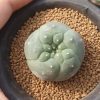
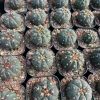
Lophophora williamsii Naturally Imperfect Cactus
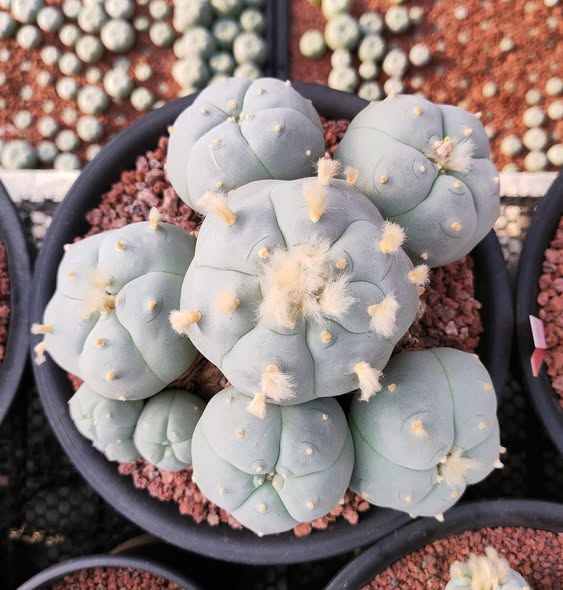
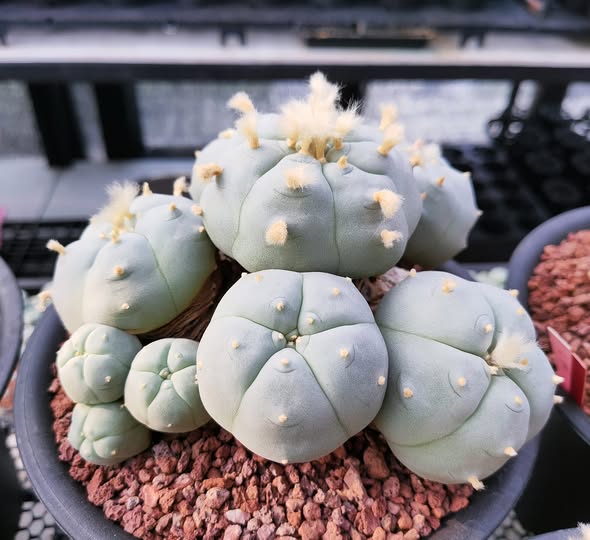
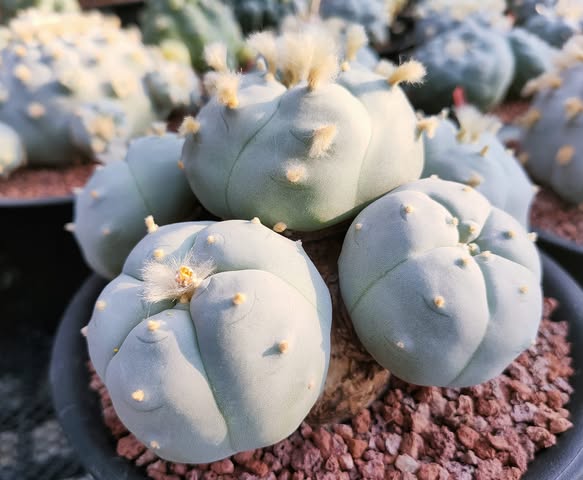
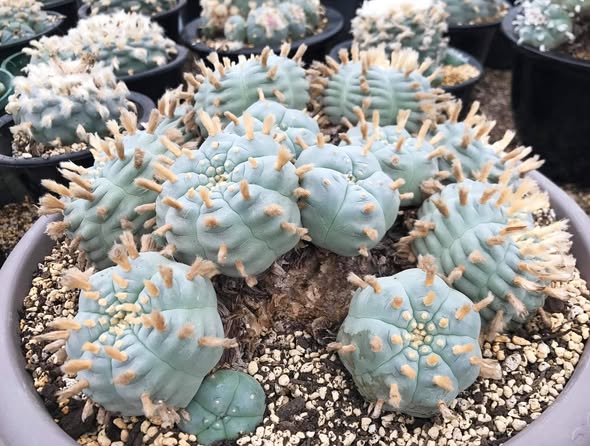
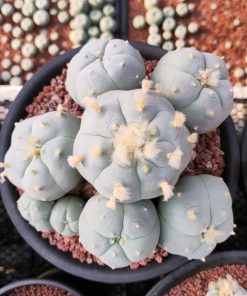
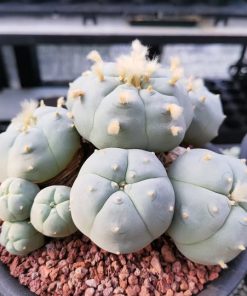
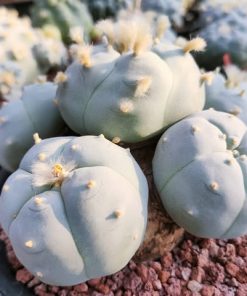
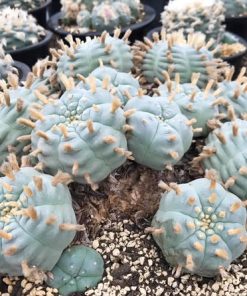
The Lophophora williamsii Naturally Imperfect cactus celebrates the individuality that makes every plant unique. Rather than striving for perfect symmetry, these cultivated specimens display the natural variations that develop over years of healthy growth. Irregular rib patterns, asymmetrical shapes, healed scars, corking from age, or other naturally occurring cosmetic characteristics give each plant its own distinctive personality and collector appeal.
Note: “Naturally Imperfect” refers to cosmetic characteristics only. These are healthy, cultivated plants that have developed unique appearances through normal growth or minor healed imperfections. They are not wild-collected plants.
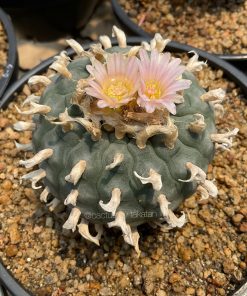
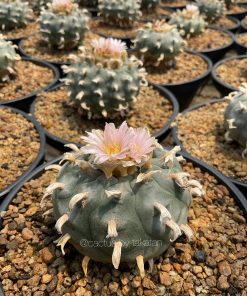
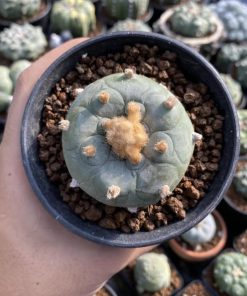
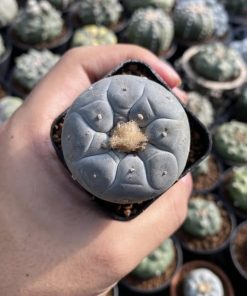
Like all Lophophora williamsii, these cacti are native to the limestone-rich deserts of northern Mexico and southern Texas. They develop smooth, spineless bodies with rounded ribs, a dense white woolly crown, and attractive blue-green to gray-green coloration. While some specimens grow with near-perfect symmetry, others develop unusual forms that many collectors find even more interesting and desirable.
Each plant is truly one of a kind. Some may display subtle asymmetry, while others exhibit character developed through age, environmental conditions during cultivation, or naturally healed surface marks. These features do not diminish the beauty of the plant—instead, they highlight the uniqueness of living organisms and create specimens that cannot be duplicated.
During the growing season, mature plants may produce elegant soft pink to pale pink flowers emerging from the woolly crown. With proper care, these long-lived cacti can thrive for decades, becoming increasingly distinctive as they mature.
Why Choose a Naturally Imperfect Specimen?
Completely Unique
No two plants are alike. Every specimen has its own natural shape, markings, and growth pattern.
Healthy Cultivated Plant
Cosmetic imperfections are part of the plant’s natural development and do not affect normal cultivation when the plant is healthy.
Exceptional Collector Appeal
Many enthusiasts appreciate unusual forms because they showcase the individuality and character that develop over time.
Key Features
Smooth Spineless Body
Features the classic button-shaped form without sharp spines.
Natural Character
May display healed scars, asymmetrical ribs, corking from age, or other naturally occurring cosmetic variations.
Long-Lived Specimen
With proper care, these plants can become treasured collector specimens for decades.
Care Guide
Light
Provide bright indirect light or several hours of gentle morning sun. Gradually acclimate plants to stronger sunlight.
Watering
Water thoroughly during active growth and allow the soil to dry completely between waterings. Water sparingly during winter dormancy.
Soil
Use a fast-draining mineral cactus mix containing pumice, coarse sand, lava rock, or perlite. Always use a container with excellent drainage.
Perfect for Every Collection
Collectors of Unique Plants
Ideal for enthusiasts who appreciate naturally distinctive specimens rather than perfect symmetry.
Indoor and Greenhouse Growing
Its compact size makes it suitable for bright windowsills, conservatories, greenhouses, and specialty cactus collections.
Living Botanical Art
Every plant tells its own story through its individual form, making it a fascinating conversation piece.
Frequently Asked Questions
What does “Naturally Imperfect” mean?
It refers to healthy cultivated plants with natural cosmetic variations such as asymmetry, healed scars, corking from age, or irregular growth patterns. These characteristics make each specimen unique.
Is the plant healthy?
Yes. Naturally Imperfect specimens are healthy cultivated plants. The description refers only to their cosmetic appearance, not their health.
Will I receive the exact plant shown?
This depends on the listing. Unless stated otherwise, you will receive a healthy Naturally Imperfect specimen of similar quality and character, with its own unique appearance.
Can it be grown indoors?
Yes. Lophophora williamsii grows well indoors with bright light, excellent drainage, and careful watering.
Does it produce flowers?
Yes. Mature plants may produce delicate soft pink flowers during the growing season under suitable growing conditions.
| Cactus diameter | 2.5-3cm, 5cm |
|---|
Be the first to review “Lophophora Williamsii Cactus | Naturally Imperfect”
Related products

Big Cactus for Sale in Canada
Lophophora
Big Cactus for Sale in Canada
Peruvian Torch Cactus Cutting | Trichocereus Peruvianus Cuzcoensis
Cold Hardy Cactus for Sale in Canada
Big Cactus for Sale in Canada
Lophophora
Collector Cactus
Reviews
There are no reviews yet.