
Lithops marmorata Seeds
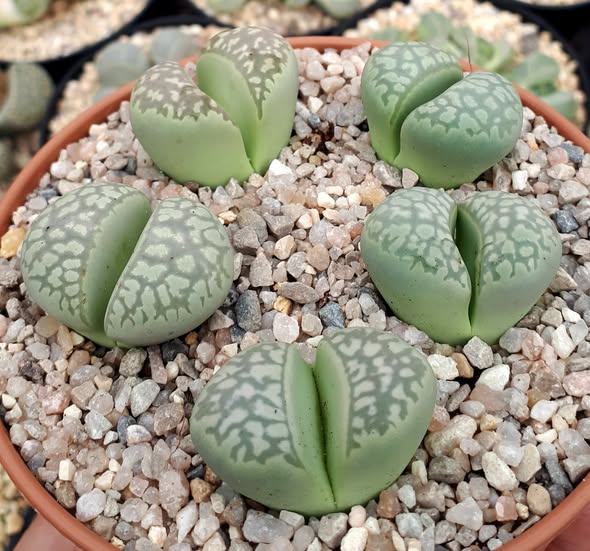
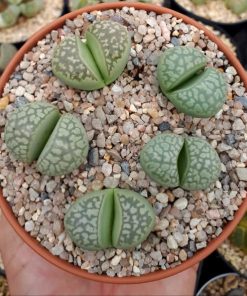
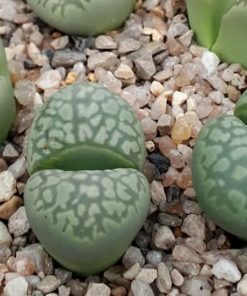
Lithops marmorata is a highly distinctive species of living stone succulent native to the arid regions of southern Africa. It is well known for its soft, marbled appearance that resembles naturally weathered stone, making it one of the most elegant and visually refined Lithops species in cultivation.
Like all Lithops, Lithops marmorata consists of a single pair of fused succulent leaves that mimic small stones in their natural environment. This adaptation allows the plant to blend seamlessly into rocky desert landscapes, reducing water loss and protecting it from extreme heat and grazing animals.
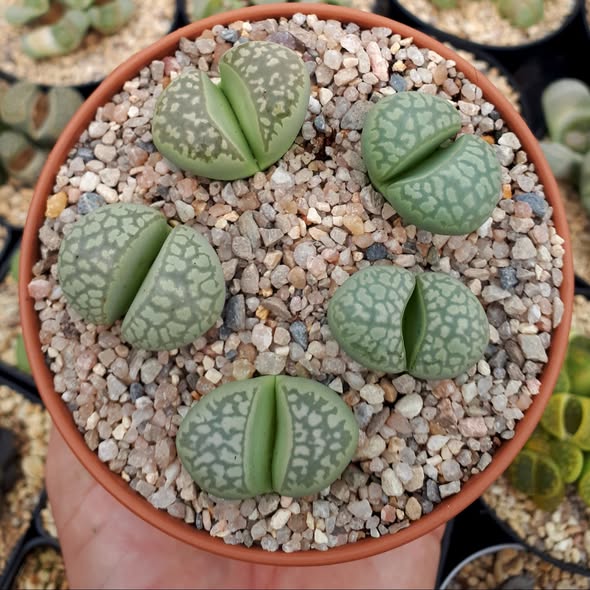
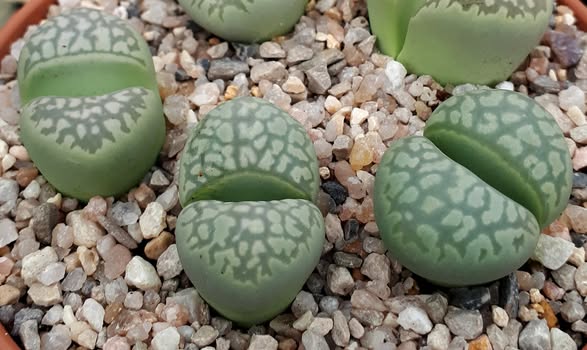
The surface of Lithops marmorata is especially unique due to its delicate, marble-like patterns. Colors typically range from pale gray and bluish-gray to soft cream, beige, and light green tones. Fine internal markings and translucent window areas often create subtle variations that make each plant look like a miniature polished stone.
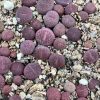
As the plant matures, it slowly develops new leaf pairs while the older leaves naturally wither, continuing its long and fascinating growth cycle. Over time, mature plants may form small clusters that enhance their ornamental value and create miniature living landscapes.
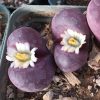
During the flowering season, Lithops marmorata produces bright daisy-like flowers that emerge from the central fissure between the leaves. Flowers are typically white or pale yellow and may appear surprisingly large compared to the compact plant body.
Growing Lithops marmorata from seed is a rewarding experience for patient growers who appreciate rare succulents and slow-growing botanical treasures.
Why Grow Lithops marmorata?
Elegant Marbled Appearance
Its soft, stone-like patterns make it one of the most visually refined Lithops species.
Highly Collectible Mesemb
This species is prized by collectors for its subtle variation and natural artistic patterns.
Long-Lived and Fascinating
With proper care, Lithops can live for many years and slowly form attractive clusters.
Key Features
Natural Stone Camouflage
The plant closely resembles weathered marble stones found in its native habitat.
Seasonal Daisy Flowers
Mature plants produce white or pale yellow flowers during the blooming season.
Compact Growth Habit
Ideal for small containers, succulent trays, and minimalist plant displays.
Growing Guide
Seed Germination
Sow seeds on the surface of a sterile, well-draining mesemb soil mix. Maintain temperatures between 18°C and 24°C with bright indirect light and stable humidity during germination.
Watering
Keep soil lightly moist during germination. Once established, water sparingly and always allow the soil to dry completely between watering cycles.
Soil and Containers
Use a mineral-rich, fast-draining cactus or mesemb mix in shallow pots with drainage holes. Excellent drainage is essential for healthy growth.
Perfect for Every Collection
Living Stone Enthusiasts
Lithops marmorata pairs beautifully with other species such as Lithops lesliei, Lithops schwantesii, and Lithops optica.
Indoor Succulent Displays
Its compact size makes it ideal for bright windowsills, trays, and decorative arrangements.
Rare Plant Collectors
Collectors value its subtle marbled patterns and elegant natural variation.
Frequently Asked Questions
What is Lithops marmorata?
It is a species of living stone succulent known for its marbled stone-like appearance and native to southern Africa.
Does Lithops marmorata flower?
Yes. Mature plants produce daisy-like flowers, usually white or pale yellow.
Is it easy to grow from seed?
It requires patience and careful watering but is suitable for growers familiar with mesemb cultivation.
Can it be grown indoors?
Yes. It grows well indoors in bright light with excellent drainage and minimal watering.
What soil is best for Lithops marmorata?
A fast-draining mineral-based cactus or mesemb soil mix is ideal.
| Quantity | 10, 25, 50, 100, 250 |
|---|
Be the first to review “Lithops Marmorata Seeds”
Related products

Copiapoa
Ariocarpus for Sale in Canada
Ariocarpus for Sale in Canada
Cold Hardy for Sale in Canada
Ariocarpus for Sale in Canada
Aztekium Cactus Seeds for Sale in Canada
Astrophytum Seeds for Sale in Canada
Ariocarpus for Sale in Canada
Reviews
There are no reviews yet.