
Dinteranthus Pole-Evansii Seeds
Price range: 10 $ through 40 $
Dinteranthus Pole-Evansii Seeds
Dinteranthus Pole-Evansii is a remarkable South African succulent that belongs to the fascinating group of plants commonly known as living stones. Renowned for its ability to mimic the appearance of surrounding rocks and pebbles, this rare mesemb has become a prized species among collectors of unusual succulents and desert plants.
Native to the arid regions of South Africa, Dinteranthus Pole-Evansii has evolved to survive in harsh environments with limited rainfall and intense sunlight. Its compact body consists of thick, fused leaves that closely resemble weathered stones found in its natural habitat. This extraordinary camouflage helps the plant avoid detection by animals while reducing moisture loss in extreme desert conditions.
The plant typically displays shades of gray, pale green, cream, silver-gray, or tan, often enhanced by intricate markings and natural patterns. These characteristics make each specimen unique and highly desirable for collectors seeking rare and visually distinctive succulents.
As it matures, Dinteranthus Pole-Evansii remains compact and manageable, making it ideal for windowsill collections, succulent displays, and specialized mesemb gardens. During the flowering season, mature plants may produce beautiful daisy-like blooms that emerge from the center of the plant, creating a striking contrast against the stone-like foliage.
Growing Dinteranthus Pole-Evansii from seed is an especially rewarding experience, allowing enthusiasts to witness the transformation from tiny seedlings into extraordinary living stones.
Why Grow Dinteranthus Pole-Evansii?
Authentic Living Stone Appearance
Its pebble-like form makes it one of the most fascinating examples of plant camouflage found in nature.
Highly Sought After by Collectors
Rare mesemb enthusiasts value this species for its unusual appearance, rarity, and long-term collector appeal.
Compact Growth Habit
Its small size makes it ideal for indoor cultivation, miniature gardens, and specialty succulent collections.
Key Features
Distinctive Stone-Mimicking Form
The fused leaf body closely resembles natural pebbles and rocky surfaces.
Attractive Seasonal Flowers
Mature specimens may produce colorful daisy-like flowers that add ornamental value during the blooming season.
Adapted for Harsh Environments
The species has evolved exceptional drought-resistant characteristics that contribute to its unique appearance.
Growing Guide
Seed Germination
Sow seeds on the surface of a sterile, fast-draining mesemb seed-starting mix. Provide bright indirect light and maintain temperatures between 18°C and 25°C.
Moisture Requirements
Keep the substrate lightly moist during germination while avoiding excessive watering. Adequate airflow helps support healthy seedling growth.
Long-Term Care
Mature plants thrive in bright conditions with excellent drainage. Allow the growing medium to dry between watering sessions and use a mineral-rich soil mix for best results.
Careful watering practices are essential, as Dinteranthus species are adapted to dry environments and dislike prolonged moisture around their roots.
Perfect for Rare Succulent Collections
Mesemb Enthusiasts
Dinteranthus Pole-Evansii is a valuable addition to collections featuring Lithops, Pleiospilos, Lapidaria, and other living stone succulents.
Indoor Plant Growers
Its compact size and low-maintenance nature make it well suited to indoor growing environments.
Collectors of Unusual Plants
The species offers a unique combination of rarity, natural camouflage, and ornamental beauty.
Frequently Asked Questions
What is Dinteranthus Pole-Evansii?
It is a rare South African mesemb succulent known for its stone-like appearance and compact growth habit.
Why is it considered a living stone?
The plant closely resembles surrounding pebbles and rocks, helping it blend into its natural environment.
Does Dinteranthus Pole-Evansii produce flowers?
Yes. Mature plants can produce attractive daisy-like flowers during the flowering season.
Can it be grown indoors?
Yes. It performs very well indoors when provided with bright light and excellent drainage.
What soil is recommended?
A fast-draining, mineral-rich mesemb or succulent mix is ideal for healthy growth and long-term cultivation
| Quantity | 10, 25, 50, 100 |
|---|
Be the first to review “Dinteranthus Pole-Evansii Seeds”
Related products

Ariocarpus for Sale in Canada
Agave PLants for Sale in Canada
Copiapoa
Cold Hardy Cactus for Sale in Canada
Coryphantha Vivipara var. Kaibabensis | Cold Hardy Cactus Seeds
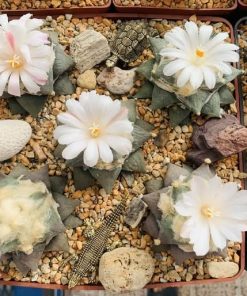
Ariocarpus for Sale in Canada
Ariocarpus for Sale in Canada
Cactus Seeds for Sale in Canada
Cold Hardy for Sale in Canada
Reviews
There are no reviews yet.