
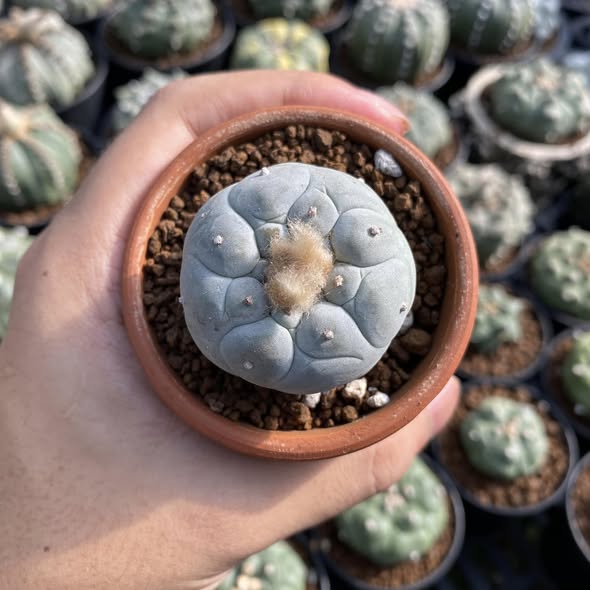
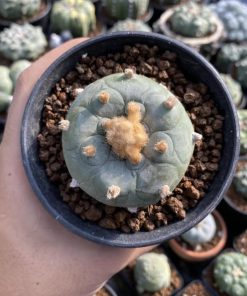
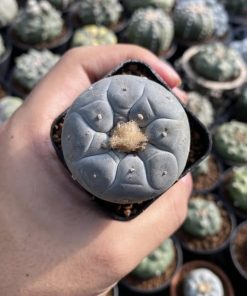
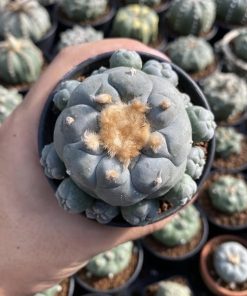
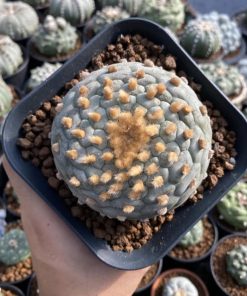
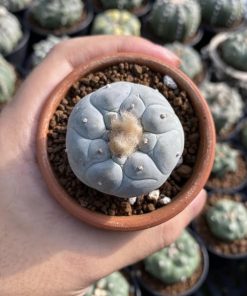
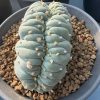
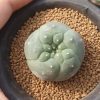
Lophophora williamsii Wild-Type Specimen Plant
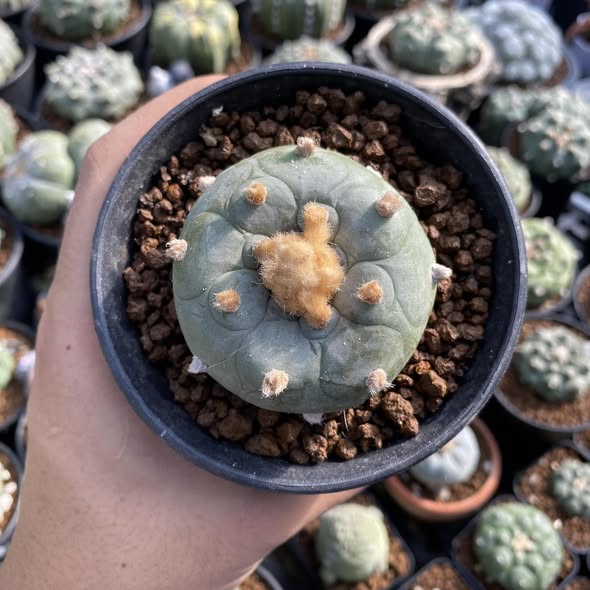
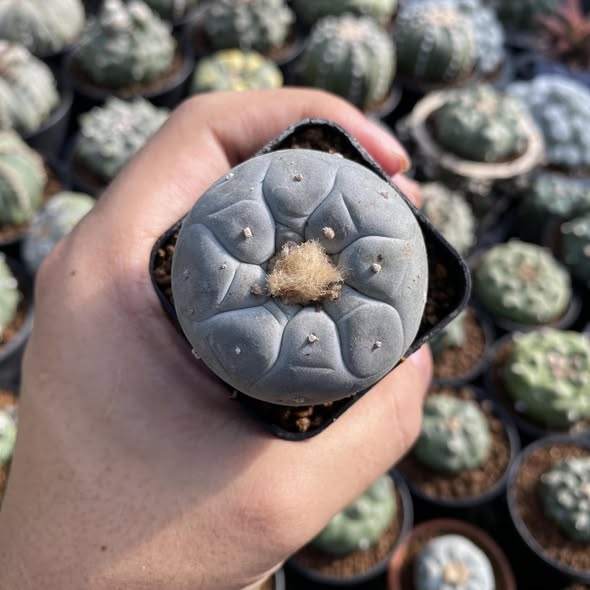
Lophophora williamsii is one of the world’s most iconic and admired cactus species. This wild-type specimen plant displays the classic natural characteristics that have made the species a favorite among collectors for generations. With its smooth, spineless body, symmetrical ribs, and attractive blue-green coloration, it is a timeless addition to any cactus collection.
Note: These are cultivated specimen plants, not wild-collected plants. The term “wild-type” refers to the plant’s natural growth form and characteristics rather than its origin.
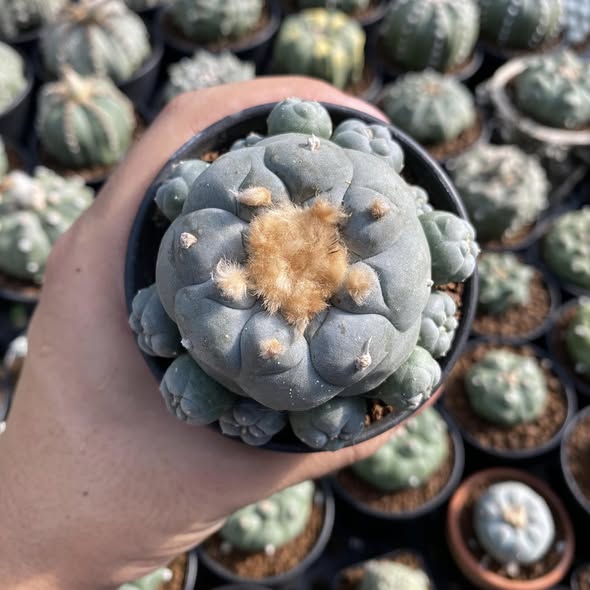
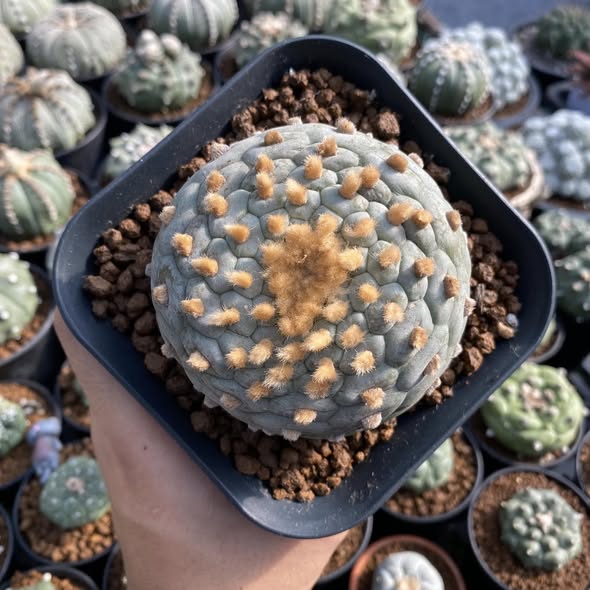
Native to the limestone-rich deserts of northern Mexico and southern Texas, Lophophora williamsii has evolved to thrive in harsh, arid environments. Mature plants develop a rounded to slightly flattened button-shaped body divided into broad ribs with soft tubercles. The crown is covered with dense white wool, creating a beautiful contrast against the blue-green epidermis.
Each cultivated specimen is unique, with subtle variations in rib formation, body shape, coloration, and wool density. Over time, mature plants may naturally produce offsets, eventually forming attractive clusters under ideal growing conditions.
During the active growing season, mature plants produce delicate soft pink to pale pink flowers from the woolly crown. After successful pollination, slender pink fruits may develop, containing numerous small black seeds.
Slow growing and exceptionally long-lived, Lophophora williamsii specimen plants can thrive for decades with proper care, becoming increasingly beautiful as they mature.
Why Choose a Wild-Type Specimen Plant?
Classic Natural Form
Displays the characteristic shape, color, and growth habit found in naturally occurring Lophophora williamsii populations.
Premium Collector Plant
An excellent choice for enthusiasts seeking mature cultivated plants with exceptional ornamental appeal.
Smooth Spineless Beauty
Features the iconic blue-green body and woolly crown without sharp spines.
Key Features
Attractive Blue-Green Coloration
Develops a soft blue-green to gray-green epidermis with a natural glaucous finish.
Beautiful Seasonal Flowers
Mature plants produce elegant pale pink flowers during the growing season.
Long-Lived Specimen
With proper care, these cultivated plants can remain healthy and attractive for many decades.
Care Guide
Light
Provide bright indirect light or several hours of gentle morning sunlight. Gradually acclimate plants to stronger light conditions.
Watering
Water thoroughly during the active growing season, allowing the soil to dry completely between waterings. Reduce watering significantly during winter dormancy.
Soil
Plant in a fast-draining mineral cactus mix containing pumice, coarse sand, lava rock, or perlite. Containers with drainage holes are essential.
Perfect for Every Collection
Rare Cactus Enthusiasts
An essential species for collectors of rare cacti and desert succulents.
Indoor and Greenhouse Growing
Its compact size makes it ideal for sunny windowsills, conservatories, and greenhouse collections.
Long-Term Display Plant
A beautiful specimen that becomes increasingly impressive with age and proper cultivation.
Frequently Asked Questions
What does “wild-type” mean?
“Wild-type” describes the plant’s natural growth form and appearance. These are cultivated plants grown in cultivation, not plants collected from the wild.
Is this a live plant?
Yes. This listing is for a live cultivated Lophophora williamsii specimen plant.
Does it have spines?
No. Lophophora williamsii is naturally spineless and has a smooth, rounded body.
Can it be grown indoors?
Yes. It grows well indoors with bright light, excellent drainage, and careful watering.
Is it slow growing?
Yes. It is a slow-growing species, but with proper care it can live for many decades and become an outstanding collector specimen.
| Specimen | 3cm, 4cm |
|---|
Be the first to review “Lophophora Williamsii Cactus | Wild Specimen Plant”
Related products

Big Cactus for Sale in Canada
Collector Cactus
Big Cactus for Sale in Canada
Collector Cactus
Big Cactus for Sale in Canada
Cold Hardy Cactus for Sale in Canada
Astrophytum Seeds for Sale in Canada
Big Cactus for Sale in Canada
Reviews
There are no reviews yet.