
Uncategorized
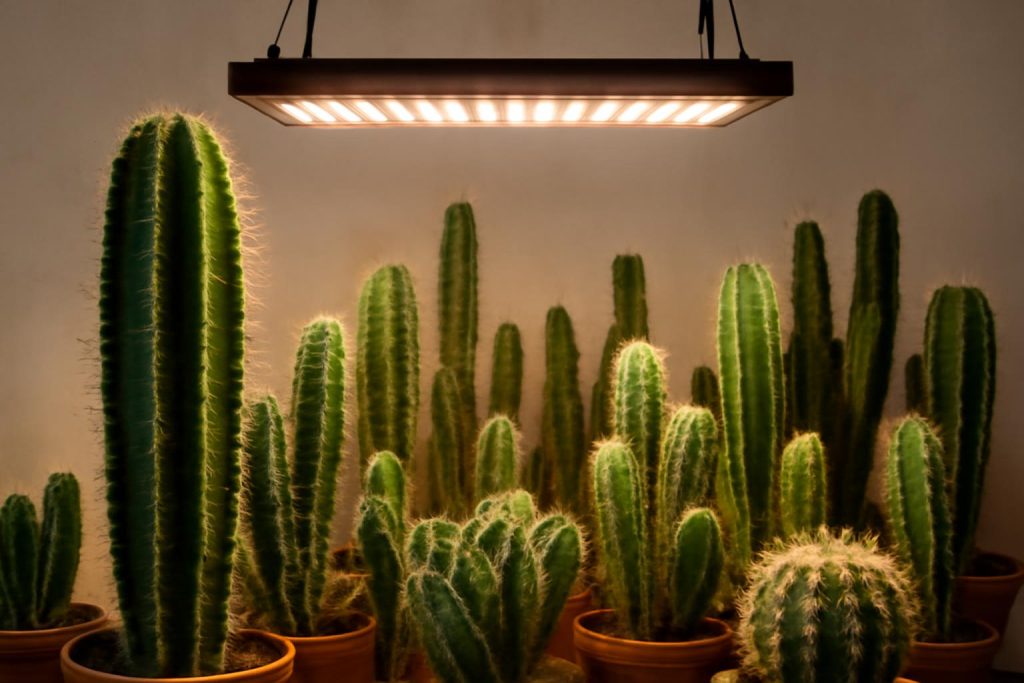
Cactus Grow Lights in Canada: How to Give Indoor Plants the Right Light
Nov
Bright light is one of the most important ingredients in a healthy cactus collection. In Canada, however, indoor plants often face shorter winter days, cloudy weather, north-facing windows, and rooms that receive less direct sun than expected. A cactus may survive in these conditions for a while, but insufficient light can eventually lead to pale colour, weak growth, and an elongated shape.
A suitable grow light can make indoor cactus care much more consistent. This guide explains how to choose cactus grow lights in Canada, where to place them, how long to run them, and how to avoid common mistakes. It is an evergreen growing guide rather than a claim about a current trend: the basic lighting needs of cacti remain the same whether you are caring for a beginner plant or building a serious collection.
Why cacti need supplemental light in Canada
Most cacti evolved in bright environments, although the amount and intensity of light varies between species. A desert-loving Astrophytum generally appreciates stronger light than a forest cactus, while some succulents prefer bright filtered conditions rather than intense afternoon sun.
Indoor Canadian conditions can be challenging for several reasons:
- Winter daylight hours are limited, particularly in northern provinces and territories.
- Windows may be shaded by buildings, trees, balconies, or snow cover.
- Modern glass can reduce the intensity of sunlight reaching the plant.
- Heating systems create dry air, but dryness does not compensate for inadequate light.
- Plants may be kept several feet away from a window, where light intensity drops significantly.
When a cactus does not receive enough light, it may stretch toward the brightest direction. This weak, narrow growth is called etiolation. Existing stretched growth will not return to its original shape, but better lighting can help future growth remain more compact.
What to look for in cactus grow lights
Full-spectrum LED output
For most indoor cactus collections, a full-spectrum LED grow light is a practical choice. LEDs are efficient, produce relatively little heat compared with older lighting technologies, and are available in compact formats for shelves, windowsills, and plant cabinets.
“Full spectrum” is a useful general description, but it does not automatically guarantee that a light is powerful enough. A small decorative lamp may look attractive while providing very little usable light. Consider the fixture’s coverage area, intensity, and recommended hanging distance rather than relying only on colour temperature or marketing language.
Suitable intensity
Cacti generally need brighter light than many conventional houseplants. The correct intensity depends on the species, the size of the plant, the distance from the fixture, and whether the light is supplementing a bright window or replacing natural light entirely.
If a product lists PPFD, or photosynthetic photon flux density, it provides a more useful indication of plant-available light than wattage alone. Many home growers will not need to measure PPFD precisely, but the information can help when comparing fixtures. For a basic setup, choose a reputable LED designed for plant growth and follow the manufacturer’s coverage guidance.
Adjustable height and coverage
A light that can be raised or lowered is easier to manage than a fixed bulb. Small seedlings may need a different distance from the fixture than mature plants. Adjustable shelves or hanging hardware also allow you to accommodate a tall columnar cactus, a tray of seedlings, and compact collector plants in the same growing area.
Low heat and safe construction
Some heat is not necessarily harmful, but excessive heat can stress plants, dry the growing medium too quickly, or damage delicate tissue. Choose a fixture with proper ventilation and keep it away from curtains, paper, and other combustible materials. Use a timer rated for the fixture and avoid overloaded power bars.
Choosing a light for different cactus setups
Windowsill cactus
A south-, southeast-, or southwest-facing window may provide useful natural light for part of the year. In this situation, a supplemental LED can extend the effective day during darker months. Place the light above the plant rather than relying on side lighting, which can encourage uneven growth.
Rotate the pot occasionally if the plant is leaning toward the window. Be aware that direct sun through glass can become surprisingly intense, especially when a plant has recently arrived from a shaded greenhouse. Gradual acclimation helps reduce the risk of sun stress.
Plant shelf or cabinet
A dedicated shelf gives you greater control over distance, duration, and airflow. Linear LED bars are often convenient for rows of small cacti and succulents, while a broader panel may suit a larger group.
Leave enough space between plants for air movement. Crowding can create shaded areas and make watering, inspection, and pest detection more difficult. A small fan on a gentle setting can help prevent stagnant air, provided it does not dry the plants excessively.
Seed-starting area
Cactus seedlings need bright, consistent conditions, but they are more sensitive than established plants. A very strong light placed too close can cause overheating or stress. Follow the instructions for the fixture and observe the seedlings closely during the first week.
Seedlings also require different moisture management from mature cacti. Light alone will not solve problems caused by poor ventilation, contaminated growing media, or excessive standing water. If you are starting a collection from seed, you can explore the Cacti Kingdom online shop for cactus, succulent, and growing-related selections available in Canada.
How far should a cactus grow light be from the plant?
There is no single distance that works for every fixture. A low-powered bulb may need to be close, while a strong panel may need to be positioned farther away. The manufacturer’s recommended distance is the best starting point.
After installation, watch the plant’s response:
- Stretching or leaning: the light may be too weak, too far away, or operating for too short a period.
- Bleached patches or yellowing on the light-facing side: the plant may be receiving too much intensity too quickly.
- Red, bronze, or purple colouring: this can be normal stress colouring in some species, but it may also indicate excessive light or another care issue.
- Healthy, compact new growth: usually suggests that the plant is receiving a more suitable balance of light.
Make changes gradually. Move a light closer in small steps or increase exposure over several days rather than changing everything at once.
How long should cactus grow lights run?
Many indoor growers begin with approximately 10 to 14 hours of light followed by a consistent dark period. The exact schedule depends on the strength of the fixture, the amount of natural light, the species, and the season.
A timer is strongly recommended. Consistency is more useful than leaving a light on continuously. Plants benefit from a daily dark period, and a predictable schedule makes it easier to manage watering and seasonal growth.
During the brightest part of summer, a cactus beside a sunny window may need less supplemental lighting. In late autumn and winter, the same plant may benefit from a longer or more regular artificial-light schedule. Avoid using extra light as a reason to water more frequently. Watering should still be based on the plant’s growing medium, temperature, species, and active growth.
Common lighting mistakes Canadian growers make
Using a regular household bulb
A standard room bulb may illuminate a cactus visually without providing enough useful light for strong growth. A plant-specific LED is usually a better option, especially for a collection kept away from a bright window.
Putting the light beside the plant
Side lighting can produce one-sided growth. Whenever possible, position the main fixture above the plant. Side lighting can be used as a supplement, but it should not be the only source for a sun-loving cactus.
Trusting wattage alone
Wattage describes energy consumption, not necessarily the amount of plant-usable light delivered to the leaves or stem. Compare coverage, intensity, fixture design, and distance instead.
Changing conditions too quickly
A cactus moved from a dim room directly under a powerful fixture may develop stress marks or sunburn. Increase exposure gradually, particularly after delivery or repotting.
Ignoring temperature and airflow
Lighting affects the surrounding microclimate. A crowded shelf under a warm fixture may become hot and stagnant. Check the plant area regularly and provide gentle ventilation when needed.
Pairing grow lights with good cactus care
Light works together with temperature, drainage, soil, and watering. A cactus receiving stronger light may use water more quickly during active growth, but the potting medium must still dry appropriately between waterings. Never use a fixed watering calendar without checking the plant.
Use containers with drainage holes and a free-draining cactus mix. Keep leaves, stems, and spines free from prolonged contact with wet surfaces. Inspect plants regularly for pests, soft tissue, corking, and signs of rot.
For Canadian growers comparing species and supplies, the site’s cactus and succulent product categories provide a useful starting point for browsing different types of plants and growing options. You can also review the broader product catalogue when planning a windowsill, shelf, or collector setup.
Frequently asked questions
Can a cactus grow under LED lights?
Yes. Many cacti grow successfully under LED grow lights when the fixture provides adequate intensity, coverage, and duration. The plant’s response is more important than the light’s appearance to the human eye.
Are grow lights necessary for every cactus in Canada?
No. A cactus receiving several hours of strong natural light may grow well without supplemental lighting. Grow lights are especially helpful when windows are shaded, plants are kept far from glass, or winter daylight is insufficient.
Can I leave a cactus grow light on all night?
It is better to provide a regular dark period. Use a timer to create a predictable cycle rather than leaving the fixture on continuously.
Why is my cactus growing skinny under a grow light?
Skinny growth usually indicates insufficient light, although other factors can contribute. Check the fixture’s distance, coverage, schedule, and intensity. Also confirm that the plant is not being kept unusually warm, which can encourage weak growth.
What is the best cactus grow light for a small apartment?
A compact full-spectrum LED with adjustable positioning and a timer is often practical. Choose a fixture that covers the entire plant area, not just the tallest cactus, and make sure the setup can be safely ventilated.
Build a dependable indoor lighting routine
The best cactus grow light setup is one you can operate consistently. Start by assessing your window, measuring the growing area, and choosing a fixture with suitable coverage. Install it above the plants, use a timer, and observe new growth over several weeks.
With steady light and careful watering, Canadian homes can support an impressive range of live cacti and succulents, from resilient beginner plants to unusual collector varieties. Good lighting will not replace thoughtful care, but it provides the foundation that helps healthy plants retain their natural shape, colour, and character.
